
An empty-bottle inspector checks specified defects and contamination before filling. Inspection coverage must match bottle color, geometry, decoration and the actual risks associated with the returning or new container stream. An inspection station should not be assumed to detect every transparent contaminant or hidden defect; document the qualified defect library and limitations. Challenge documented defects at difficult positions and orientations; verify good-bottle false rejects, tracking and reject confirmation during normal line variation. OEM/ODM requests are assessed against the intended application, site interfaces and documented acceptance evidence; the reference photograph identifies a product family and does not confirm supply availability or an authorized brand relationship.
An empty-bottle inspector checks specified defects and contamination before filling. Inspection coverage must match bottle color, geometry, decoration and the actual risks associated with the returning or new container stream.
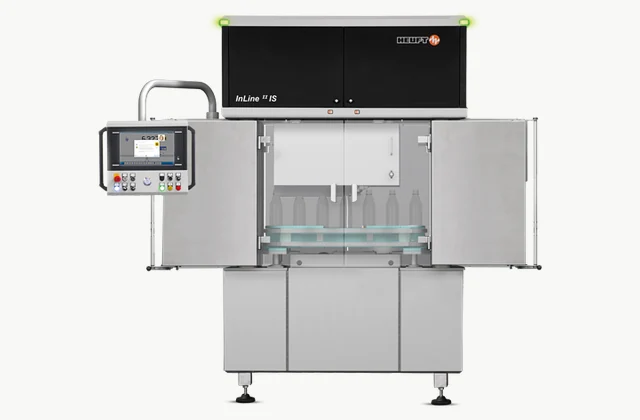
Shown as a configuration reference. Availability and the equipment offered for your project are confirmed separately.
What task does the empty bottle inspection machine need to perform?
An empty-bottle inspector checks specified defects and contamination before filling. Inspection coverage must match bottle color, geometry, decoration and the actual risks associated with the returning or new container stream.
An inspection station should not be assumed to detect every transparent contaminant or hidden defect; document the qualified defect library and limitations.
How should defect coverage be specified?
Define residual liquid, foreign objects, wall damage, neck or base defects and any scuffing limits. Supply real defect examples and approved good variation.
Assess the complete operating task with representative inputs and an agreed inspection method. Keep included tools and supporting equipment visible in the quotation, since an isolated successful demonstration does not define a complete production package.
Which configuration choices affect optics and handling?
Compare camera views, illumination, bottle rotation and spacing. Embossing, labels and colored glass can mask defects if coverage is not demonstrated.
| Decision | Evidence to compare | What the offer should clarify |
|---|---|---|
| Defect coverage | Define residual liquid, foreign objects, wall damage, neck or base defects and any scuffing limits. Supply real defect examples and approved good variation. | Included tools, input limits and the configuration needed for the stated duty. |
| Optics and handling | Compare camera views, illumination, bottle rotation and spacing. Embossing, labels and colored glass can mask defects if coverage is not demonstrated. | Supporting services, process interfaces and any excluded development work. |
| Application acceptance | Challenge documented defects at difficult positions and orientations; verify good-bottle false rejects, tracking and reject confirmation during normal line variation. | Test method, inspection records, responsibility and treatment of deviations. |
What should be prepared before installation?
Coordinate bottle washing or rinsing, stable conveyors, reject collection, guarding and access to optical components.
Confirm the receiving facility can support the documented duty. Delivery dimensions do not define the whole working envelope, so include access for operators, consumables, material handling and safe isolation of stored energy.
What evidence should establish application acceptance?
Challenge documented defects at difficult positions and orientations; verify good-bottle false rejects, tracking and reject confirmation during normal line variation.
Measure results using the same method across proposed alternatives. Include a representative change or restart, investigate failed output and keep records that allow the receiving team to repeat the critical checks on site.
How should service and repeatability be planned?
Clean lenses and illumination, inspect handling parts and verify reference bottles and reject devices under controlled recipes.
Budget for the wear parts and inspection skills that sustain the agreed result. Keep backups and verification records with the equipment file, and specify who reviews material or component substitutions before returning to production.
What can be customized through OEM or ODM?
Bottle handling, camera coverage and reporting may be engineered; changed container designs require coverage validation.
Submit the requested changes with the empty bottle inspection machine application, drawings and acceptance requirements. Distinguish standard options from new engineering and agree design ownership, validation, documentation and spare-part support before release. The illustrated manufacturer example is a technical reference; it does not establish stock, agency or permission to reproduce protected designs.
How should the quotation boundary be recorded?
Use the empty bottle inspection machine inquiry to list base equipment, tooling, auxiliary services, commissioning and training separately. Record unresolved assumptions about defect coverage and optics and handling before comparing prices. Keep the final configuration and accepted evidence together so later changes can be reviewed against a clear scope.
What should your empty bottle inspection machine RFQ include?
- Empty bottle inspection machine application and required finished result
- Defect coverage: Define residual liquid, foreign objects, wall damage, neck or base defects and any scuffing limits. Supply real defect examples and approved good variation.
- Optics and handling: Compare camera views, illumination, bottle rotation and spacing. Embossing, labels and colored glass can mask defects if coverage is not demonstrated.
- Representative input variation and difficult operating conditions
- Application risks and exclusions: An inspection station should not be assumed to detect every transparent contaminant or hidden defect; document the qualified defect library and limitations.
- Site and supporting services: Coordinate bottle washing or rinsing, stable conveyors, reject collection, guarding and access to optical components.
- Acceptance method and retained evidence: Challenge documented defects at difficult positions and orientations; verify good-bottle false rejects, tracking and reject confirmation during normal line variation.
- Maintenance and support scope: Clean lenses and illumination, inspect handling parts and verify reference bottles and reject devices under controlled recipes.
- OEM/ODM changes requested: Bottle handling, camera coverage and reporting may be engineered; changed container designs require coverage validation.
- Destination, local installation conditions and documentation language
- Drawings, samples, tooling ownership and revision control
- Operating sequence, changeovers, training and commissioning responsibilities
Need OEM / ODM customization?
Submit branding, packaging, configuration or engineering requirements for this equipment. Include the target market, initial and annual quantities, required changes and acceptance criteria.
Customization feasibility, permitted branding, development responsibilities, minimum quantity, cost and lead time are reviewed for the proposed supplier and configuration before a quotation is confirmed.
Frequently asked questions
What defines a suitable application for empty bottle inspection machine?
An empty-bottle inspector checks specified defects and contamination before filling. Inspection coverage must match bottle color, geometry, decoration and the actual risks associated with the returning or new container stream. An inspection station should not be assumed to detect every transparent contaminant or hidden defect; document the qualified defect library and limitations.
What should the buyer specify about defect coverage?
Define residual liquid, foreign objects, wall damage, neck or base defects and any scuffing limits. Supply real defect examples and approved good variation. Include representative variation and ask the bidder to identify restrictions before selecting the offered configuration.
How should optics and handling be compared?
Compare camera views, illumination, bottle rotation and spacing. Embossing, labels and colored glass can mask defects if coverage is not demonstrated. Confirm which tools, supporting services and operating conditions are included; require evidence for the actual application rather than an unloaded demonstration.
What acceptance test should be agreed for empty bottle inspection machine?
Challenge documented defects at difficult positions and orientations; verify good-bottle false rejects, tracking and reject confirmation during normal line variation. Agree the method, records and decision criteria before ordering, then retain the setup and results for repeatability checks after installation.
Which installation and service provisions need confirmation?
Coordinate bottle washing or rinsing, stable conveyors, reject collection, guarding and access to optical components. Clean lenses and illumination, inspect handling parts and verify reference bottles and reject devices under controlled recipes. Allocate local preparations and specialist service to named parties before delivery.
Can the empty bottle inspection machine be customized through OEM or ODM?
Bottle handling, camera coverage and reporting may be engineered; changed container designs require coverage validation. Submit the requested changes and drawings for feasibility review. New engineering requires agreed validation and documentation; the reference image does not establish a supply or brand relationship.
Reference information
- HEUFT InLine II IS - Empty bottle inspection
- Official technical document
Reference data and images explain equipment configurations. IndustryApex engineers confirm the offered model, specification and commercial scope in your project quotation.