
Compressor heat recovery system should be selected using usable heat demand, compressor compatibility and independent cooling control, with the receiving site and upstream or downstream equipment included in the discussion. Compare the proposed configuration, stated assumptions and a realistic acceptance trial together. Ask each supplier to identify exclusions, maintenance responsibilities and unresolved application questions. Define OEM branding separately from ODM integration changes so an altered machine is assessed against the same documented production requirement.
Compare compressor heat recovery system proposals around usable heat demand, compressor compatibility and independent cooling control. Define the process boundary, supporting equipment and acceptance evidence before choosing a configuration. Send the same application details to each bidder and include project-specific OEM or ODM requirements in the initial inquiry.
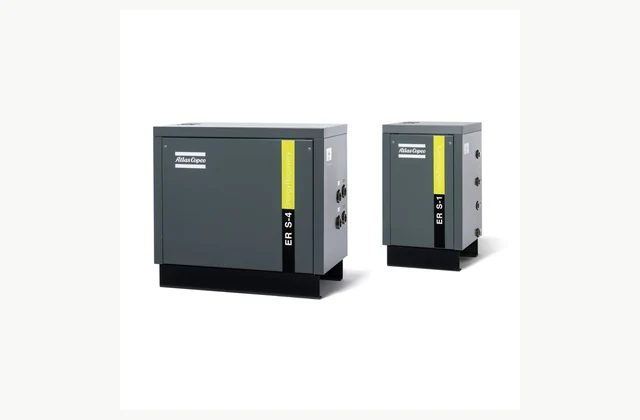
Shown as a configuration reference. Availability and the equipment offered for your project are confirmed separately.
Start with a heat user and a matching schedule
Identify where recovered heat would be used, the required temperature, flow and operating schedule. Compare that demand with the compressor’s actual loading pattern and available heat. A compressor may reject substantial heat without the site having a useful simultaneous sink. Base the project on recoverable heat delivered to an accepted user rather than an assumption that all input energy becomes a guaranteed financial saving.
List seasonal and weekend differences for both compressed air and heating. A process hot-water load can behave differently from building heating. Keep a documented demand profile so the proposed exchanger and controls are selected for useful coincidence rather than a favorable maximum-temperature headline.
Review the exact compressor and heat circuit
Compatibility depends on the compressor model, cooling arrangement and the manufacturer’s approved connection method. Provide machine identity, operating conditions and existing cooling controls. Ask the supplier to explain the proposed heat source and connection boundary. Do not alter an oil or cooling circuit on the basis of a generic recovery diagram, and do not assume a reference unit fits another compressor without engineering review.
The Atlas Copco ER reference illustrates a compressor energy-recovery package. Distinguish oil-injected and water-cooled oil-free arrangements where relevant to the actual proposal. Similar heat-recovery objectives do not make the connection kits, temperatures or control responsibilities interchangeable.
Keep cooling independent from uncertain heat demand
The responsible design must explain how compressor cooling remains within its requirements when heat demand falls, stops or changes. Review bypass, backup cooling and control interfaces for the actual machine. Ask what occurs on loss of the heat user’s circulation or power. A recovery project should not rely on a factory heating demand being continuously available whenever compressed-air production is needed.
Review the heat-transfer media and any separation needed by the receiving process. The process owner should determine water-quality and contamination requirements. A clean-water application cannot be assumed compatible solely because the heat exchanger transfers energy without intentional mixing.
| Decision | Requirement to state | Evidence to request |
|---|---|---|
| Heat user | Temperature, flow and schedule | Actual thermal demand profile |
| Source | Compressor identity and load | Approved connection and available heat basis |
| Control | Lost demand and backup cooling | Documented independent cooling response |
| Installation | Exchangers, pumps and piping | Allocated circuit and utility scope |
| Result | Useful heat delivered under load | Traceable thermal acceptance measurement |
Compare complete thermal installation scope
Itemize the recovery unit, compressor connection kit, exchangers, pumps, controls, piping, insulation and any storage or backup interface. Define who installs and commissions each circuit. Compare thermal output under declared compressor and heat-user conditions, including pump energy and maintenance assumptions. A small standalone unit price does not represent a complete heat-recovery project or establish its payback period.
Show the routing between compressor and heat user, with service access and isolation responsibilities. Long or seasonal distribution routes may materially affect useful heat. Keep the site survey and the assumed operating calendar with the comparison rather than replacing them with a generic savings percentage.
Measure useful transferred heat under real operation
Agree a measurement plan for the relevant flow and temperature changes, compressor operating condition and useful heat delivered to the receiving circuit. Observe normal changes in heat demand and the approved fallback cooling response. Record the conditions with the result. A hot outlet at little or no flow is not sufficient evidence of the usable thermal duty claimed for the project.
Have responsible commissioning personnel verify both compressor cooling and process delivery. Retain control settings, circuit drawings and instruments with the handover. If the project includes a savings estimate, keep it separate from the measured result and state the operating assumptions that still require longer-term confirmation.
Define custom thermal skids under ODM review
OEM requests may cover labels and documentation without losing component identity. ODM work can involve exchanger materials, pump circuits, control integration, storage or multiple compressors. Require manufacturer and site-engineering review of thermal conditions, cooling independence and process requirements. Define drawing ownership and acceptance on the revised circuits; branding does not transfer another system’s compatibility or performance evidence to a custom package.
Request exchanger, pump and valve service identifiers and the approved compressor maintenance boundary. Keep the heat user’s responsibilities explicit. A later change to production hours or heating requirements should trigger a renewed performance review rather than an assumption that the original economic estimate remains valid.
The pictured manufacturer equipment and linked documents are technical configuration references. They do not imply authorized representation, stock availability, equivalent performance from another supplier or permission to relabel the pictured brand. Confirm the proposed equipment and commercial scope for the specific project.
What should your compressor heat recovery system RFQ include?
- Compressor models, cooling arrangement and operating calendar
- Measured loading and available heat assumptions
- Heat-user temperature, flow and demand schedule
- Seasonal/weekend coincidence and interruption conditions
- Approved compressor connection and exchanger boundary
- Fallback cooling, bypass and control responsibility
- Water/media quality and process separation needs
- Pumps, piping, insulation, storage and service scope
- Useful-heat measurement and commissioning plan
- OEM documents or ODM multi-compressor thermal skid review
Need OEM / ODM customization?
Submit branding, packaging, configuration or engineering requirements for this equipment. Include the target market, initial and annual quantities, required changes and acceptance criteria.
Customization feasibility, permitted branding, development responsibilities, minimum quantity, cost and lead time are reviewed for the proposed supplier and configuration before a quotation is confirmed.
Frequently asked questions
What should I specify for compressor heat recovery?
Identify where recovered heat would be used, the required temperature, flow and operating schedule. Compare that demand with the compressor's actual loading pattern and available heat. A compressor may reject substantial heat without the site having a useful simultaneous sink. Base the project on recoverable heat delivered to an accepted user rather than an assumption that all input energy becomes a guaranteed financial saving.
Can any compressor be connected to a heat recovery unit?
Compatibility depends on the compressor model, cooling arrangement and the manufacturer's approved connection method. Provide machine identity, operating conditions and existing cooling controls. Ask the supplier to explain the proposed heat source and connection boundary. Do not alter an oil or cooling circuit on the basis of a generic recovery diagram, and do not assume a reference unit fits another compressor without engineering review.
What happens when the heat user cannot accept recovered heat?
The responsible design must explain how compressor cooling remains within its requirements when heat demand falls, stops or changes. Review bypass, backup cooling and control interfaces for the actual machine. Ask what occurs on loss of the heat user's circulation or power. A recovery project should not rely on a factory heating demand being continuously available whenever compressed-air production is needed.
What costs belong in a heat recovery system comparison?
Itemize the recovery unit, compressor connection kit, exchangers, pumps, controls, piping, insulation and any storage or backup interface. Define who installs and commissions each circuit. Compare thermal output under declared compressor and heat-user conditions, including pump energy and maintenance assumptions. A small standalone unit price does not represent a complete heat-recovery project or establish its payback period.
How should compressor heat recovery be accepted?
Agree a measurement plan for the relevant flow and temperature changes, compressor operating condition and useful heat delivered to the receiving circuit. Observe normal changes in heat demand and the approved fallback cooling response. Record the conditions with the result. A hot outlet at little or no flow is not sufficient evidence of the usable thermal duty claimed for the project.
Can a compressor heat recovery system support OEM or ODM?
OEM requests may cover labels and documentation without losing component identity. ODM work can involve exchanger materials, pump circuits, control integration, storage or multiple compressors. Require manufacturer and site-engineering review of thermal conditions, cooling independence and process requirements. Define drawing ownership and acceptance on the revised circuits; branding does not transfer another system's compatibility or performance evidence to a custom package.
Reference information
- Atlas Copco: ER energy recovery unit official product reference
- Atlas Copco official supporting product documentation
Reference data and images explain equipment configurations. IndustryApex engineers confirm the offered model, specification and commercial scope in your project quotation.