
A compressed air receiver should be selected using air-demand events, storage location and pressure-vessel documentation, with the receiving site and upstream or downstream equipment included in the discussion. Compare the proposed configuration, stated assumptions and a realistic acceptance trial together. Ask each supplier to identify exclusions, maintenance responsibilities and unresolved application questions. Define OEM branding separately from ODM integration changes so an altered machine is assessed against the same documented production requirement.
Compare compressed air receiver proposals around air-demand events, storage location and pressure-vessel documentation. Define the process boundary, supporting equipment and acceptance evidence before choosing a configuration. Send the same application details to each bidder and include project-specific OEM or ODM requirements in the initial inquiry.
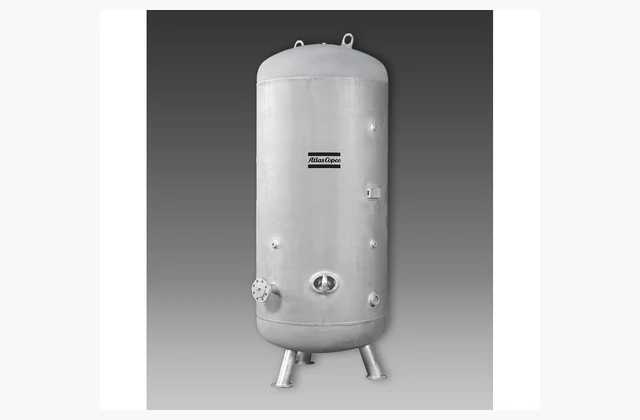
Shown as a configuration reference. Availability and the equipment offered for your project are confirmed separately.
Size storage around the air-demand event
Describe compressor delivery, operating pressure band and the demand event the receiver must support. Include the allowed pressure drop and how quickly demand repeats. A receiver stores air; it does not create sustained compressor capacity. Ask the responsible designer to explain the proposed volume using the same demand assumptions as the compressor and distribution system rather than choosing solely by floor space.
Identify whether storage is intended to smooth compressor control, support a brief user peak or serve a dedicated process. Those purposes can lead to different locations and connection arrangements. Keep pressure measured at the working equipment separate from pressure displayed near the compressor.
Compare wet and dry receiver locations
The location depends on the system’s control and air-quality objectives. A receiver before treatment and one after the dryer perform different roles, and the treatment equipment must be assessed for the resulting flow. Ask for a system diagram explaining the choice. Storage after a dryer should not be assumed dry indefinitely if piping, drainage or operating conditions allow moisture to enter.
Review how a sudden draw affects the dryer and filters as well as the receiver pressure. If the site already has storage, identify how the new vessel interacts with it. Unexamined connecting restrictions can prevent apparently ample tank volume from helping a distant user.
Verify vessel identity and permitted conditions
Request the exact vessel identification, design conditions, material, connection drawing and pressure-equipment documentation applicable to the destination. Have the responsible local parties confirm inspection and registration requirements. Do not infer a site’s compliance from an unrelated reference model or a general catalog statement. Compare the offered pressure and temperature boundary with the actual compressor and operating environment.
Atlas Copco’s HTA high-pressure range is an identifiable receiver-family reference. The image does not establish the construction, coating or regulatory documentation of another proposed vessel. Ask bidders to name the actual manufacturer and vessel configuration instead of supplying only an untraceable generic tank description.
| Decision | Requirement to state | Evidence to request |
|---|---|---|
| Purpose | Demand event and pressure band | Storage calculation assumptions |
| Position | Before/after treatment and user distance | Complete air-system diagram |
| Vessel | Design conditions and traceability | Manufacturer and destination documentation |
| Accessories | Drains, indication and protection | Itemized receiver-station boundary |
| Result | User pressure and compressor cycling | Observed normal demand event |
Allocate drains, protection and service access
Itemize isolation, pressure indication, condensate removal and protective devices according to the responsible system design. Show connections, anchoring, inspection access and the condensate route on the installation drawing. Clarify whether accessories arrive mounted or are installed locally. A bare vessel price should not be compared with a complete receiver station without identifying the omitted components and engineering responsibilities.
Allow access to inspect the vessel and replace drains or instruments without blocking production routes. Consider corrosion exposure and the condition of accumulated condensate. The receiving site should understand routine inspection responsibilities before the tank is placed in a difficult-to-reach location.
Verify storage benefit at the relevant user
Check the delivered vessel identity and documents against the approved offer, then use the responsible commissioning procedure for the installation. Observe the intended demand event and pressure at the relevant user, together with compressor cycling and drainage behavior. A full tank at idle is not evidence that the chosen connections and volume reduce the production pressure disturbance the project was intended to address.
Retain the system diagram and demand assumptions with the handover. Have qualified responsible parties address vessel and protective-device checks. If the production event changes later, reassess storage and compressor supply together rather than treating the original receiver volume as a universal solution.
Treat custom vessels and stations as engineered changes
OEM requests can cover approved labels and document language while retaining vessel traceability. ODM requests may involve orientation, nozzles, coatings, supports or a receiver station with controls. Require the vessel manufacturer and responsible designer to review changes and destination documentation. Do not move or obscure required vessel identification, and do not assume a standard reference tank can be altered without renewed engineering review.
Ask who supplies replacement accessories and maintains the inspection record. Keep coating and corrosion-related assumptions explicit for humid or outdoor locations. A customization request should state the site conditions and working purpose, not only a preferred color or connection position.
The pictured manufacturer equipment and linked documents are technical configuration references. They do not imply authorized representation, stock availability, equivalent performance from another supplier or permission to relabel the pictured brand. Confirm the proposed equipment and commercial scope for the specific project.
What should your compressed air receiver RFQ include?
- Compressor delivered flow and control pressure band
- Demand event, repeat interval and allowed user pressure drop
- Receiver purpose and proposed wet/dry location
- Existing storage and distribution restrictions
- Vessel design pressure, temperature and environment
- Destination pressure-equipment documentation responsibility
- Orientation, nozzles, material and coating needs
- Drains, protective devices, anchoring and inspection access
- Commissioning responsibility and demand-event verification
- OEM language or ODM vessel/station engineering review
Need OEM / ODM customization?
Submit branding, packaging, configuration or engineering requirements for this equipment. Include the target market, initial and annual quantities, required changes and acceptance criteria.
Customization feasibility, permitted branding, development responsibilities, minimum quantity, cost and lead time are reviewed for the proposed supplier and configuration before a quotation is confirmed.
Frequently asked questions
How should I specify a compressed air receiver?
Describe compressor delivery, operating pressure band and the demand event the receiver must support. Include the allowed pressure drop and how quickly demand repeats. A receiver stores air; it does not create sustained compressor capacity. Ask the responsible designer to explain the proposed volume using the same demand assumptions as the compressor and distribution system rather than choosing solely by floor space.
Should an air receiver be before or after the dryer?
The location depends on the system's control and air-quality objectives. A receiver before treatment and one after the dryer perform different roles, and the treatment equipment must be assessed for the resulting flow. Ask for a system diagram explaining the choice. Storage after a dryer should not be assumed dry indefinitely if piping, drainage or operating conditions allow moisture to enter.
What documents should accompany an air receiver quotation?
Request the exact vessel identification, design conditions, material, connection drawing and pressure-equipment documentation applicable to the destination. Have the responsible local parties confirm inspection and registration requirements. Do not infer a site's compliance from an unrelated reference model or a general catalog statement. Compare the offered pressure and temperature boundary with the actual compressor and operating environment.
What should be included around a compressed air receiver?
Itemize isolation, pressure indication, condensate removal and protective devices according to the responsible system design. Show connections, anchoring, inspection access and the condensate route on the installation drawing. Clarify whether accessories arrive mounted or are installed locally. A bare vessel price should not be compared with a complete receiver station without identifying the omitted components and engineering responsibilities.
How should an air receiver installation be accepted?
Check the delivered vessel identity and documents against the approved offer, then use the responsible commissioning procedure for the installation. Observe the intended demand event and pressure at the relevant user, together with compressor cycling and drainage behavior. A full tank at idle is not evidence that the chosen connections and volume reduce the production pressure disturbance the project was intended to address.
Can a compressed air receiver support OEM or ODM?
OEM requests can cover approved labels and document language while retaining vessel traceability. ODM requests may involve orientation, nozzles, coatings, supports or a receiver station with controls. Require the vessel manufacturer and responsible designer to review changes and destination documentation. Do not move or obscure required vessel identification, and do not assume a standard reference tank can be altered without renewed engineering review.
Reference information
- Atlas Copco: HTA high-pressure air receiver reference official product reference
- Atlas Copco official supporting product documentation
Reference data and images explain equipment configurations. IndustryApex engineers confirm the offered model, specification and commercial scope in your project quotation.