
A compressed air condensate separator should be selected using oily condensate compatibility, collection load and verified discharge quality, with the receiving site and upstream or downstream equipment included in the discussion. Compare the proposed configuration, stated assumptions and a realistic acceptance trial together. Ask each supplier to identify exclusions, maintenance responsibilities and unresolved application questions. Define OEM branding separately from ODM integration changes so an altered machine is assessed against the same documented production requirement.
Compare compressed air condensate separator proposals around oily condensate compatibility, collection load and verified discharge quality. Define the process boundary, supporting equipment and acceptance evidence before choosing a configuration. Send the same application details to each bidder and include project-specific OEM or ODM requirements in the initial inquiry.
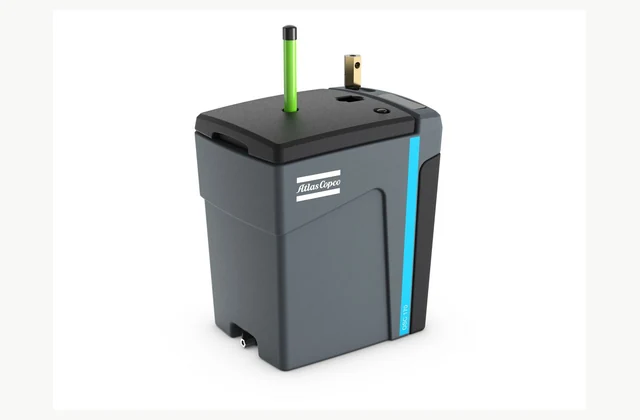
Shown as a configuration reference. Availability and the equipment offered for your project are confirmed separately.
Distinguish oil-water treatment from air separation
An oil-water condensate treatment unit treats collected liquid discharged from compressors, receivers, filters and dryers. It is different from a water separator installed in the pressurized air stream. Identify the liquid sources and compressor lubricant before selection. A condensate separator does not replace a dryer or guarantee that the compressed air itself meets a moisture or oil-quality requirement.
Show where each drain discharges and the final destination of treated water and captured oil. Keep the site’s discharge or waste requirements with the process owner. A clear-looking liquid is not sufficient evidence that the selected treatment and disposal route are acceptable.
Match the treatment medium to lubricant and condensate
Lubricant chemistry, emulsification, detergents and other process contamination can affect oil-water separation. Give the supplier the actual lubricant and condensate condition and ask for a compatibility review. Do not assume a separator suitable for one oil or compressor arrangement works for every emulsion. Define how an unsuitable condensate stream will be identified before it is mixed with the site’s other collected liquid.
The Atlas Copco OSC reference illustrates a condensate oil-water treatment family. Confirm the media and variant in any actual offer. A product family’s best advertised outlet figure should not be transferred to another oil mixture or used as automatic proof of site discharge compliance.
Size the collection load using operating assumptions
Provide connected compressor capacity, operating hours, climate, inlet conditions and the other drains included in the collection system. Ask the supplier to state the assumptions behind its selection and service interval. Compare treatment capacity for your actual condensate sources rather than a headline compressor-flow figure. A unit selected without dryer and filter drains may be undersized when those sources are later connected.
If several compressors share a separator, identify lubricant differences and simultaneous production. Review how peak discharge and any flow divider are managed. Leave future expansion explicit instead of quietly using reserve capacity that the offered media and collection arrangement have not been shown to support.
| Decision | Requirement to state | Evidence to request |
|---|---|---|
| Liquid | Lubricant, emulsion and contaminants | Supplier compatibility review |
| Load | Equipment, hours and climate | Declared capacity assumptions |
| Media | Treatment stages and variant | Traceable media identification |
| Collection | Drains, entry conditions and sampling | Installed liquid-flow boundary |
| Outlet | Site quality and destination | Actual-condensate verification record |
Allocate collection, test access and spent media
Show drain collection piping, entry conditions, level floor space and the treated-water route. Confirm the manufacturer’s connection and pressure-isolation requirements for the selected unit. Allocate sampling access and handling of spent media or collected oil. A separator should not become a hidden discharge point that is difficult to inspect or service when production condensate continues to arrive.
Ask how saturation, restricted flow or an abnormal level is indicated. Provide space to remove media containers without lifting them over unrelated equipment. Agree a contingency for maintenance or an unacceptable sample so untreated condensate is not sent to the normal outlet by default.
Verify treated liquid against the site’s requirement
Have the responsible site parties define the required outlet quality, sampling method and permitted destination. Commission the offered unit with the actual condensate and verify the result under the agreed operating conditions. Check collection and saturation indicators as well as the sample. A catalog oil-removal claim or a test on another lubricant does not independently establish that your site’s collected liquid can be discharged.
Retain lubricant identity, connected equipment and media configuration with the record. Define who takes later samples and replaces exhausted media. If the compressor lubricant or collection mix changes, ask for a renewed compatibility and capacity review instead of relying on the original acceptance indefinitely.
Review custom collection skids under OEM/ODM
OEM requests may include labels, manuals and a traceable media package. ODM work can involve a collection skid, flow division, level monitoring or service containment. Require review of liquid compatibility, load and outlet verification for the revised arrangement. Define responsibility for drawings and waste interfaces; private labeling must not obscure the actual media, replacement identifiers or original component restrictions.
Request a documented service route and the approved replacement media for the offered unit. Keep the receiving site’s sampling and disposal responsibilities separate from a generic supplier promise of environmental compliance. Commercial scope should identify what treatment evidence the project still needs.
The pictured manufacturer equipment and linked documents are technical configuration references. They do not imply authorized representation, stock availability, equivalent performance from another supplier or permission to relabel the pictured brand. Confirm the proposed equipment and commercial scope for the specific project.
What should your compressed air condensate separator RFQ include?
- Compressor lubricants and mixed liquid sources
- Condensate emulsion, detergents and contamination
- Connected compressor/dryer/filter capacity and hours
- Climate, operating conditions and peak collection load
- Required treated-liquid quality and destination review
- Treatment media, variant and capacity assumptions
- Drain collection, flow division and sampling access
- Saturation indication, containment and spent-media handling
- Actual-condensate verification and service responsibility
- OEM media package or ODM collection/monitoring skid review
Need OEM / ODM customization?
Submit branding, packaging, configuration or engineering requirements for this equipment. Include the target market, initial and annual quantities, required changes and acceptance criteria.
Customization feasibility, permitted branding, development responsibilities, minimum quantity, cost and lead time are reviewed for the proposed supplier and configuration before a quotation is confirmed.
Frequently asked questions
What does a compressed air condensate separator treat?
An oil-water condensate treatment unit treats collected liquid discharged from compressors, receivers, filters and dryers. It is different from a water separator installed in the pressurized air stream. Identify the liquid sources and compressor lubricant before selection. A condensate separator does not replace a dryer or guarantee that the compressed air itself meets a moisture or oil-quality requirement.
Why does compressor oil type matter for condensate treatment?
Lubricant chemistry, emulsification, detergents and other process contamination can affect oil-water separation. Give the supplier the actual lubricant and condensate condition and ask for a compatibility review. Do not assume a separator suitable for one oil or compressor arrangement works for every emulsion. Define how an unsuitable condensate stream will be identified before it is mixed with the site's other collected liquid.
How should condensate separator capacity be compared?
Provide connected compressor capacity, operating hours, climate, inlet conditions and the other drains included in the collection system. Ask the supplier to state the assumptions behind its selection and service interval. Compare treatment capacity for your actual condensate sources rather than a headline compressor-flow figure. A unit selected without dryer and filter drains may be undersized when those sources are later connected.
What installation details matter for an oil-water separator?
Show drain collection piping, entry conditions, level floor space and the treated-water route. Confirm the manufacturer's connection and pressure-isolation requirements for the selected unit. Allocate sampling access and handling of spent media or collected oil. A separator should not become a hidden discharge point that is difficult to inspect or service when production condensate continues to arrive.
How should condensate treatment be accepted?
Have the responsible site parties define the required outlet quality, sampling method and permitted destination. Commission the offered unit with the actual condensate and verify the result under the agreed operating conditions. Check collection and saturation indicators as well as the sample. A catalog oil-removal claim or a test on another lubricant does not independently establish that your site's collected liquid can be discharged.
Can condensate oil-water treatment support OEM or ODM?
OEM requests may include labels, manuals and a traceable media package. ODM work can involve a collection skid, flow division, level monitoring or service containment. Require review of liquid compatibility, load and outlet verification for the revised arrangement. Define responsibility for drawings and waste interfaces; private labeling must not obscure the actual media, replacement identifiers or original component restrictions.
Reference information
- Atlas Copco: OSC oil-water separator official product reference
- Atlas Copco official supporting product documentation
Reference data and images explain equipment configurations. IndustryApex engineers confirm the offered model, specification and commercial scope in your project quotation.