
A compressed air filtration system should be selected using contaminant type, treatment sequence and pressure drop at real flow, with the receiving site and upstream or downstream equipment included in the discussion. Compare the proposed configuration, stated assumptions and a realistic acceptance trial together. Ask each supplier to identify exclusions, maintenance responsibilities and unresolved application questions. Define OEM branding separately from ODM integration changes so an altered machine is assessed against the same documented production requirement.
Compare compressed air filtration system proposals around contaminant type, treatment sequence and pressure drop at real flow. Define the process boundary, supporting equipment and acceptance evidence before choosing a configuration. Send the same application details to each bidder and include project-specific OEM or ODM requirements in the initial inquiry.
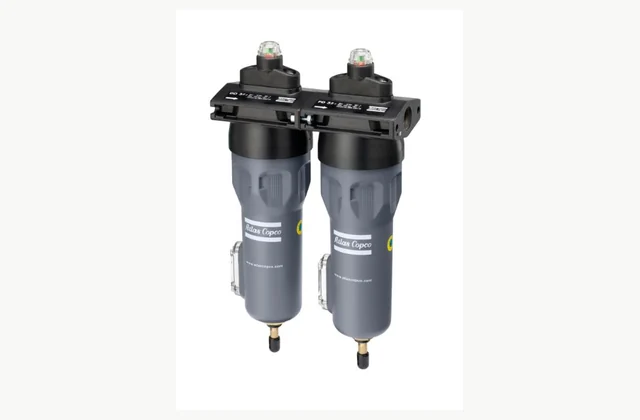
Shown as a configuration reference. Availability and the equipment offered for your project are confirmed separately.
Name each contaminant at the user
State particle, moisture and oil requirements separately at the actual user connection. Describe whether oil is present as liquid, aerosol or vapor and where contamination may enter. A single fine-filter label does not define removal of every contaminant. Ask for a treatment sequence matched to the stated air-quality need rather than selecting a filter only from its connection size or an undefined cleanliness claim.
Identify sensitive processes separately from general pneumatic tools. Distribution piping or downstream lubrication can alter air quality after central treatment. Agree the inspection location before choosing components, so a clean compressor outlet is not mistaken for verified air at the production equipment.
Distinguish coalescing, dust and vapor treatment
Different filter mechanisms target different contaminants. Coalescing equipment addresses aerosols and droplets; dry-dust filtration and adsorption serve other duties. A dryer is needed where water-vapor control is required. Ask the supplier to explain the role and order of each stage. Do not infer that a small nominal particle rating removes gases or guarantees a pressure dew point at the user.
The Atlas Copco DD/PD reference illustrates coalescing filters within a larger treatment family. Confirm the actual element type and grade in the offer. Similar-looking housings can contain media intended for different contaminants, so retain element identification with the air-train drawing.
Compare pressure loss at the actual conditions
Filter performance and pressure loss depend on operating flow, pressure, temperature and element condition. Provide peak as well as normal demand and ask for a declared sizing basis. Compare the whole treatment train’s pressure loss rather than an isolated clean-element figure. An oversized pipe connection does not prove adequate filtration capacity, and a restrictive stage can undermine pressure at a distant air user.
Ask how pressure difference is monitored and how a blocked or saturated stage is recognized. Separate the housing pressure rating from its useful treatment performance. Include any correction assumptions in the quote so two filters are not compared at incompatible operating conditions.
| Decision | Requirement to state | Evidence to request |
|---|---|---|
| Quality | Particles, moisture and oil forms | Contaminant-specific user requirement |
| Mechanism | Coalescing, dust, adsorption and drying | Air-train function diagram |
| Sizing | Peak flow, pressure and temperature | Declared capacity and pressure-loss basis |
| Service | Drains, isolation and element clearance | Maintenance layout and untreated-air review |
| Verification | Sampling at the operating user | Traceable air-quality report |
Design drainage and service isolation into the train
Allocate liquid separation, drains, isolation, pressure indication and access for element replacement. Route condensate to the site’s treatment system instead of leaving an unexplained drain connection. Ask how production is protected during service and whether any bypass would deliver untreated air. Define the maintenance sequence for the actual installed arrangement rather than assuming a compact filter rack is automatically serviceable.
Check housing removal clearance and the direction of air flow on the layout. Keep filters away from locations where routine service cannot be performed. If point-of-use filtration is added, account for the local pressure drop, hoses and any equipment that reintroduces oil downstream.
Verify air quality after the complete installation
Agree contaminant-specific sampling methods and locations with the responsible air-quality specialist. Record flow, pressure, temperature and the installed element configuration during verification. Check drainage and differential-pressure indication as part of handover. A new element or a clear condensate sample does not establish all required air-quality characteristics, particularly oil vapor or moisture at the actual operating user.
Retain the treatment diagram, element codes and verification report together. If a process has a more demanding contamination limit later, reassess the entire train rather than adding an arbitrary finer filter. Confirm who investigates upstream contamination and who maintains each treatment component.
Keep custom racks and monitoring functionally clear
OEM requests may include labels and a documented element package while retaining original service identification. ODM work can involve a filter skid, monitoring, automatic isolation or integration with a dryer. Require application review of flow, contamination and service access for the revised train. Define responsibility for testing the assembled system; a branded reference image does not verify another supplier’s complete air-treatment result.
Ask for replacement-element identifiers and maintenance triggers based on the manufacturer’s instructions and the application. Document where oil-vapor media, coalescing elements and dust elements differ so routine purchasing does not replace the intended treatment stage with a superficially similar cartridge.
The pictured manufacturer equipment and linked documents are technical configuration references. They do not imply authorized representation, stock availability, equivalent performance from another supplier or permission to relabel the pictured brand. Confirm the proposed equipment and commercial scope for the specific project.
What should your compressed air filtration system RFQ include?
- Process users and air-quality inspection location
- Particle, moisture, aerosol and vapor requirements
- Normal/peak flow and operating pressure/temperature
- Incoming contamination and compressor lubrication type
- Proposed separator, filter, dryer and adsorption sequence
- Whole-train pressure-drop basis and monitoring
- Condensate drains and treatment destination
- Isolation, bypass policy and cartridge-removal access
- Air-quality verification and element maintenance responsibility
- OEM documents or ODM filter skid and monitoring review
Need OEM / ODM customization?
Submit branding, packaging, configuration or engineering requirements for this equipment. Include the target market, initial and annual quantities, required changes and acceptance criteria.
Customization feasibility, permitted branding, development responsibilities, minimum quantity, cost and lead time are reviewed for the proposed supplier and configuration before a quotation is confirmed.
Frequently asked questions
How should I specify a compressed air filtration system?
State particle, moisture and oil requirements separately at the actual user connection. Describe whether oil is present as liquid, aerosol or vapor and where contamination may enter. A single fine-filter label does not define removal of every contaminant. Ask for a treatment sequence matched to the stated air-quality need rather than selecting a filter only from its connection size or an undefined cleanliness claim.
Can one compressed air filter remove water vapor and oil vapor?
Different filter mechanisms target different contaminants. Coalescing equipment addresses aerosols and droplets; dry-dust filtration and adsorption serve other duties. A dryer is needed where water-vapor control is required. Ask the supplier to explain the role and order of each stage. Do not infer that a small nominal particle rating removes gases or guarantees a pressure dew point at the user.
Why does filter sizing need flow and pressure details?
Filter performance and pressure loss depend on operating flow, pressure, temperature and element condition. Provide peak as well as normal demand and ask for a declared sizing basis. Compare the whole treatment train's pressure loss rather than an isolated clean-element figure. An oversized pipe connection does not prove adequate filtration capacity, and a restrictive stage can undermine pressure at a distant air user.
What should accompany compressed air filters?
Allocate liquid separation, drains, isolation, pressure indication and access for element replacement. Route condensate to the site's treatment system instead of leaving an unexplained drain connection. Ask how production is protected during service and whether any bypass would deliver untreated air. Define the maintenance sequence for the actual installed arrangement rather than assuming a compact filter rack is automatically serviceable.
How should a compressed air filtration system be accepted?
Agree contaminant-specific sampling methods and locations with the responsible air-quality specialist. Record flow, pressure, temperature and the installed element configuration during verification. Check drainage and differential-pressure indication as part of handover. A new element or a clear condensate sample does not establish all required air-quality characteristics, particularly oil vapor or moisture at the actual operating user.
Can compressed air filtration support OEM or ODM?
OEM requests may include labels and a documented element package while retaining original service identification. ODM work can involve a filter skid, monitoring, automatic isolation or integration with a dryer. Require application review of flow, contamination and service access for the revised train. Define responsibility for testing the assembled system; a branded reference image does not verify another supplier's complete air-treatment result.
Reference information
- Atlas Copco: DD(+) / PD(+) coalescing filters official product reference
- Atlas Copco official supporting product documentation
Reference data and images explain equipment configurations. IndustryApex engineers confirm the offered model, specification and commercial scope in your project quotation.