
A compressed air aftercooler should be selected using compressor discharge heat, cooling medium and downstream liquid separation, with the receiving site and upstream or downstream equipment included in the discussion. Compare the proposed configuration, stated assumptions and a realistic acceptance trial together. Ask each supplier to identify exclusions, maintenance responsibilities and unresolved application questions. Define OEM branding separately from ODM integration changes so an altered machine is assessed against the same documented production requirement.
Compare compressed air aftercooler proposals around compressor discharge heat, cooling medium and downstream liquid separation. Define the process boundary, supporting equipment and acceptance evidence before choosing a configuration. Send the same application details to each bidder and include project-specific OEM or ODM requirements in the initial inquiry.
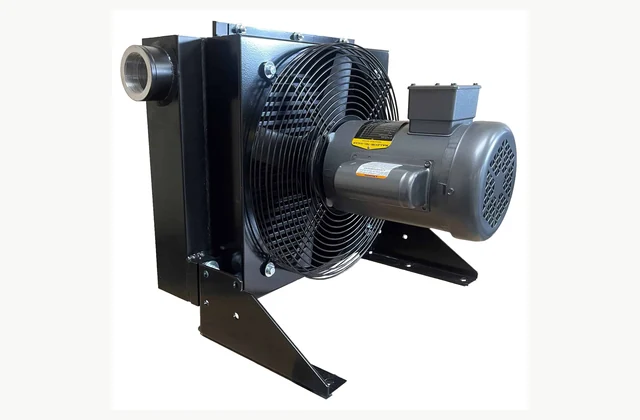
Shown as a configuration reference. Availability and the equipment offered for your project are confirmed separately.
Specify hot-air conditions at the cooler inlet
Provide compressor discharge flow, pressure and temperature together with site ambient or cooling-water conditions. State the downstream dryer’s inlet requirement and the operating range through the year. An aftercooler removes heat and can condense water; it does not independently provide every required air-quality condition. Ask for performance at the difficult normal site condition rather than comparing only a nominal air-flow headline.
Identify whether the aftercooler is additional to an existing machine cooler or part of a new compressor system. Include contamination and condensate characteristics. The cooling and drainage design should address the complete air stream reaching downstream treatment, not merely reduce the temperature displayed near the compressor.
Choose air or water cooling around site utilities
An air-cooled arrangement depends on cooling-air temperature and flow, while a water-cooled arrangement depends on the available water conditions and connection system. Compare the site’s seasonal limits, maintenance access and utility responsibility. Neither method should be selected solely from an indoor or outdoor label. Ask the manufacturer to explain the expected outlet condition and pressure loss for the exact offered cooler at your inlet case.
The Van Air manufacturer reference shows a standalone air-cooled aftercooler. Confirm the exact air-cooling model and any combined oil/air duties in the offer. Keep water-cooled alternatives and their pumps or water treatment separate; a complete fan assembly does not establish the site rating without the declared inlet and ambient conditions.
Compare heat duty and pressure loss consistently
Use a common inlet flow basis, pressure, inlet temperature and cooling-medium condition. Ask for the outlet-air condition, pressure drop and heat-rejection or cooling-water requirement at that case. A cooler with a favorable temperature claim at another water temperature is not equivalent evidence. Include the effect on downstream equipment rather than assuming any reduction in discharge temperature fully resolves a dryer overload.
Review materials and the expected contaminants on both sides of a water-cooled exchanger. Ask how fouling changes service requirements and how the unit can be inspected or cleaned. Keep the supplier’s maintenance assumptions visible in the comparison instead of treating an initial clean condition as permanent performance.
| Decision | Requirement to state | Evidence to request |
|---|---|---|
| Inlet | Flow, pressure and hot-air temperature | Common declared rating case |
| Cooling | Ambient air or water conditions | Seasonal utility schedule |
| Thermal result | Outlet condition and heat rejection | Performance response at site case |
| Liquid | Separation and drainage scope | Allocated condensate route |
| Acceptance | Pressure loss and dryer interface | Observed loaded compressor operation |
Include separator and condensate removal boundaries
Cooling compressed air can create liquid water that must be separated and removed through an appropriate system. Confirm what separator, drain and piping are included in the offered package. Ask how the installation avoids carrying collected liquid into the dryer or distribution line. A heat exchanger alone should not be treated as complete condensate management merely because its outlet air is cooler.
Show the condensate destination and the access needed to service drains. For water-cooled equipment, identify connection, isolation and maintenance responsibilities on the cooling side too. The installation drawing should distinguish process air, cooling water and collected condensate rather than leaving three unexplained pipe connections.
Verify cooling during real compressor operation
Measure inlet and outlet air conditions, operating flow and pressure loss under agreed compressor and cooling-medium conditions. Observe condensate separation and drainage during the same period. Record seasonal limitations that cannot be reproduced at commissioning. A cool outlet at low air load or unusually favorable water temperature does not establish the result at the production condition that motivated the purchase.
Confirm that the downstream dryer receives conditions within its declared requirement. Retain cooling-medium and configuration records with the report. Define who resolves a shortfall involving the cooler, site water supply, ventilation or condensate handling so the installation is assessed as an integrated treatment step.
Review custom heat-exchanger packages under ODM
OEM requests may cover labels, documentation and a defined service kit. ODM work can involve connections, materials, fans, cooling-water circuits or integration into a treatment skid. Require review of thermal duty, pressure boundary, drainage and maintenance access. Define drawings and acceptance at the revised operating conditions rather than assuming a standard aftercooler rating validates a customized flow path or cooling arrangement.
Request approved cooler and drain service information for the exact package. Keep original exchanger identity and any pressure-equipment documentation traceable. A later compressor change should trigger a review of heat duty and liquid handling as well as nominal air flow.
The pictured manufacturer equipment and linked documents are technical configuration references. They do not imply authorized representation, stock availability, equivalent performance from another supplier or permission to relabel the pictured brand. Confirm the proposed equipment and commercial scope for the specific project.
What should your compressed air aftercooler RFQ include?
- Compressor flow basis, discharge pressure and temperature
- Normal and difficult seasonal operating cases
- Required outlet condition and downstream dryer limits
- Available ambient cooling air or cooling-water quality/temperature
- Heat rejection, water flow and pressure-drop basis
- Exchanger materials and fouling/cleaning review
- Separator, drain and condensate treatment boundary
- Cooling connections, power where needed and service access
- Loaded-operation acceptance and seasonal limitations
- OEM service kit or ODM cooler/skid connection review
Need OEM / ODM customization?
Submit branding, packaging, configuration or engineering requirements for this equipment. Include the target market, initial and annual quantities, required changes and acceptance criteria.
Customization feasibility, permitted branding, development responsibilities, minimum quantity, cost and lead time are reviewed for the proposed supplier and configuration before a quotation is confirmed.
Frequently asked questions
What should I specify for a compressed air aftercooler?
Provide compressor discharge flow, pressure and temperature together with site ambient or cooling-water conditions. State the downstream dryer's inlet requirement and the operating range through the year. An aftercooler removes heat and can condense water; it does not independently provide every required air-quality condition. Ask for performance at the difficult normal site condition rather than comparing only a nominal air-flow headline.
How do air-cooled and water-cooled aftercoolers differ?
An air-cooled arrangement depends on cooling-air temperature and flow, while a water-cooled arrangement depends on the available water conditions and connection system. Compare the site's seasonal limits, maintenance access and utility responsibility. Neither method should be selected solely from an indoor or outdoor label. Ask the manufacturer to explain the expected outlet condition and pressure loss for the exact offered cooler at your inlet case.
What makes aftercooler quotations comparable?
Use a common inlet flow basis, pressure, inlet temperature and cooling-medium condition. Ask for the outlet-air condition, pressure drop and heat-rejection or cooling-water requirement at that case. A cooler with a favorable temperature claim at another water temperature is not equivalent evidence. Include the effect on downstream equipment rather than assuming any reduction in discharge temperature fully resolves a dryer overload.
Does an aftercooler need a condensate separator and drain?
Cooling compressed air can create liquid water that must be separated and removed through an appropriate system. Confirm what separator, drain and piping are included in the offered package. Ask how the installation avoids carrying collected liquid into the dryer or distribution line. A heat exchanger alone should not be treated as complete condensate management merely because its outlet air is cooler.
How should an aftercooler installation be accepted?
Measure inlet and outlet air conditions, operating flow and pressure loss under agreed compressor and cooling-medium conditions. Observe condensate separation and drainage during the same period. Record seasonal limitations that cannot be reproduced at commissioning. A cool outlet at low air load or unusually favorable water temperature does not establish the result at the production condition that motivated the purchase.
Can an aftercooler support OEM or ODM requirements?
OEM requests may cover labels, documentation and a defined service kit. ODM work can involve connections, materials, fans, cooling-water circuits or integration into a treatment skid. Require review of thermal duty, pressure boundary, drainage and maintenance access. Define drawings and acceptance at the revised operating conditions rather than assuming a standard aftercooler rating validates a customized flow path or cooling arrangement.
Reference information
- Van Air Systems: Air-cooled aftercooler official product reference
- Van Air Systems official supporting product documentation
Reference data and images explain equipment configurations. IndustryApex engineers confirm the offered model, specification and commercial scope in your project quotation.