
Design a center pivot irrigation system from field geometry, crop water demand and measured water supply. Match span structure, sprinkler package, drive and control to terrain and wind conditions, then verify distribution and movement across the actual field. Run the installed pivot across representative field positions and assess distribution with the irrigation designer's agreed method. Record flow, pressure, nozzle package, wind and movement settings. Verify alignment, stop and restart behavior and maintain a final as-built map rather than accepting only unloaded tower travel or a single pressure reading. Submit the intended configuration and any OEM/ODM changes for project-specific feasibility review.
Design a center pivot irrigation system from field geometry, crop water demand and measured water supply. Match span structure, sprinkler package, drive and control to terrain and wind conditions, then verify distribution and movement across the actual field.
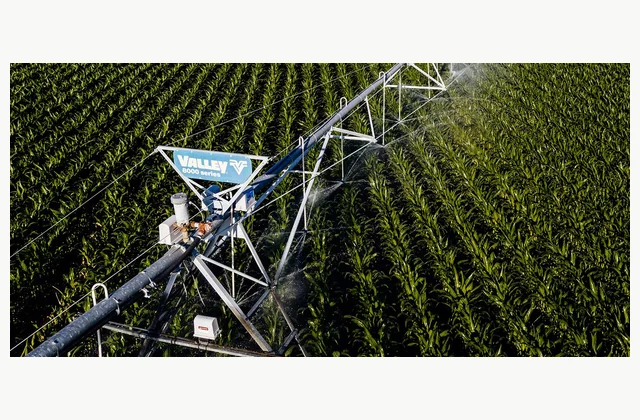
Shown as a configuration reference. Availability and the equipment offered for your project are confirmed separately.
Survey field geometry and obstructions
Provide field boundaries, pivot point, elevations, slopes, roads, power lines and obstacles. Include excluded areas and end-gun or corner requirements. A circular coverage sketch does not establish a practical installed system where terrain, boundaries or structures constrain movement and water application.
Establish crop and water requirements
The irrigation designer needs crop, soil infiltration and the agronomist's scheduling objective alongside source capacity and seasonal availability. A pivot's maximum irrigated area is not a crop-specific water balance. Compare the complete operating schedule rather than infer suitability from span length alone.
Engineer pressure and sprinkler distribution
Provide pump, supply pipe and water-quality information. The sprinkler package must account for pressure variation, terrain and the application pattern. Similar span structures can carry different nozzles and regulators, so the quote should include a zone-by-zone package and the hydraulic calculation boundary.
Match spans tires and terrain movement
Review structural configuration, tower spacing and wheel/drive arrangement against the site. Qualified design must consider the actual terrain and loads. A standard span photo does not establish the correct structure or traction package for deep wheel tracks, slopes or the intended travel method.
Define controls and protection interfaces
Specify operating direction, speed or percentage setting, stop points and any remote-monitoring purpose. Confirm electrical supply, alignment controls and protection features in the offered configuration. Remote access or variable-rate capability should be itemized rather than assumed from the family name or control-panel picture.
Plan corrosion and seasonal service
State water chemistry, fertilizer exposure where applicable and the winter or idle-storage conditions. Obtain nozzle, regulator, drive and structural inspection instructions. Service access and identified replacement parts are needed to restore the designed distribution, since replacing a nozzle with a similar opening can change application.
Compare a complete center pivot irrigation system scope
| Decision | Information to compare |
|---|---|
| Survey field geometry and obstructions | Field survey, pivot position, elevation, boundaries and obstacles |
| Establish crop and water requirements | Crop/soil demand, infiltration, source capacity and irrigation schedule |
| Engineer pressure and sprinkler distribution | Pump/supply, pressure profile, nozzles, regulators and hydraulic calculation |
| Match spans tires and terrain movement | Span layout, tower loads, tires/drives, slopes and ground conditions |
| Define controls and protection interfaces | Supply, alignment/protection, speed control, stop points and remote options |
| Plan corrosion and seasonal service | Water chemistry, corrosion, winterization, nozzle/drive parts and inspections |
Plan installation and access
Qualified irrigation, structural and electrical personnel should approve foundations, supply pipeline, assembly and field clearances. Verify the exact sprinkler schedule and tower arrangement. Commission alignment, movement and protective controls using the manufacturer's instructions before starting crop irrigation under the approved field plan.
Agree acceptance evidence before ordering
Run the installed pivot across representative field positions and assess distribution with the irrigation designer's agreed method. Record flow, pressure, nozzle package, wind and movement settings. Verify alignment, stop and restart behavior and maintain a final as-built map rather than accepting only unloaded tower travel or a single pressure reading.
Define OEM/ODM engineering boundaries
OEM span layouts, nozzle packages and approved controls can be reviewed for the site. ODM structural, drive or hydraulic changes require engineering and field validation. Reference imagery does not establish stock, manufacturer authorization or a universal water-saving or yield outcome.
What should your center pivot irrigation system RFQ include?
- Field survey, pivot position, elevation, boundaries and obstacles
- Crop/soil demand, infiltration, source capacity and irrigation schedule
- Pump/supply, pressure profile, nozzles, regulators and hydraulic calculation
- Span layout, tower loads, tires/drives, slopes and ground conditions
- Supply, alignment/protection, speed control, stop points and remote options
- Water chemistry, corrosion, winterization, nozzle/drive parts and inspections
- Destination, working environment, access and delivery constraints
- Installation responsibility, utilities and connection drawings
- Acceptance samples, documented test method, operator training and maintenance scope
- OEM/ODM changes requested: identification, tooling, interfaces or new design; engineering feasibility to be confirmed
Need OEM / ODM customization?
Submit branding, packaging, configuration or engineering requirements for this equipment. Include the target market, initial and annual quantities, required changes and acceptance criteria.
Customization feasibility, permitted branding, development responsibilities, minimum quantity, cost and lead time are reviewed for the proposed supplier and configuration before a quotation is confirmed.
Frequently asked questions
How do I survey field geometry and obstructions?
Provide field boundaries, pivot point, elevations, slopes, roads, power lines and obstacles. Include excluded areas and end-gun or corner requirements. A circular coverage sketch does not establish a practical installed system where terrain, boundaries or structures constrain movement and water application.
How do I establish crop and water requirements?
The irrigation designer needs crop, soil infiltration and the agronomist's scheduling objective alongside source capacity and seasonal availability. A pivot's maximum irrigated area is not a crop-specific water balance. Compare the complete operating schedule rather than infer suitability from span length alone.
How do I engineer pressure and sprinkler distribution?
Provide pump, supply pipe and water-quality information. The sprinkler package must account for pressure variation, terrain and the application pattern. Similar span structures can carry different nozzles and regulators, so the quote should include a zone-by-zone package and the hydraulic calculation boundary.
How do I match spans tires and terrain movement?
Review structural configuration, tower spacing and wheel/drive arrangement against the site. Qualified design must consider the actual terrain and loads. A standard span photo does not establish the correct structure or traction package for deep wheel tracks, slopes or the intended travel method.
How do I define controls and protection interfaces?
Specify operating direction, speed or percentage setting, stop points and any remote-monitoring purpose. Confirm electrical supply, alignment controls and protection features in the offered configuration. Remote access or variable-rate capability should be itemized rather than assumed from the family name or control-panel picture.
How do I plan corrosion and seasonal service?
State water chemistry, fertilizer exposure where applicable and the winter or idle-storage conditions. Obtain nozzle, regulator, drive and structural inspection instructions. Service access and identified replacement parts are needed to restore the designed distribution, since replacing a nozzle with a similar opening can change application.
Reference information
- Valley 8000 Series official product reference
- Valley center pivot irrigation system official family or technical reference
Reference data and images explain equipment configurations. IndustryApex engineers confirm the offered model, specification and commercial scope in your project quotation.