
Narrow down cable fault location and support precise field pinpointing using methods appropriate to the cable construction and suspected fault. The buying process should establish cable construction, prelocation method, surge energy and voltage, and pinpointing accessories. Use the comparison checkpoints to prepare a consistent quotation request, define installation and acceptance responsibilities, and identify missing accessories or evidence. OEM/ODM is a project-specific feasibility question; request written confirmation of any proposed change and the supporting documentation.
Narrow down cable fault location and support precise field pinpointing using methods appropriate to the cable construction and suspected fault. Compare configuration, interfaces and acceptance evidence before requesting an application-specific quotation or OEM/ODM feasibility review.
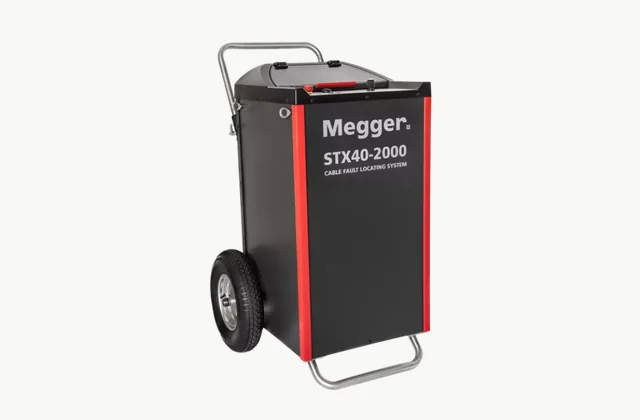
Shown as a configuration reference. Availability and the equipment offered for your project are confirmed separately.
Narrow down cable fault location and support precise field pinpointing using methods appropriate to the cable construction and suspected fault.
Define the cable and suspected fault
A cable fault locator is a system of prelocation, tracing and pinpointing tools rather than a single universal measurement. Describe the cable’s insulation, conductor arrangement, approximate length, accessibility and fault history. An intermittent fault or high-resistance breakdown can require a different approach from an open circuit. Identify the cable owner’s permitted test methods and operating procedures before selecting the equipment configuration.
Distinguish prelocation from pinpointing
Time-domain reflectometry helps estimate distance to a reflection or discontinuity, but the estimated distance does not by itself identify an excavation point. Cable route knowledge and an appropriate pinpointing method remain necessary. Arc-reflection and related methods address other fault conditions using compatible equipment. Ask which methods are included, which require accessories, and how the proposed system handles the fault types found in your cable network.
Match output capability to the network
Do not choose a surge generator simply by the highest stated voltage or energy. The appropriate settings depend on the cable, fault condition and approved procedure, and field operation belongs with trained personnel. Clarify adjustable output ranges, lead ratings, connection accessories and protective arrangements. The complete system must suit the network’s cable types; a capable main unit with unsuitable test leads remains an incomplete purchase.
| Buying checkpoint | Project information |
|---|---|
| Cable construction | State insulation, conductor arrangement, route length and joint history. |
| Prelocation method | Distinguish TDR and arc-reflection capability from final pinpointing. |
| Surge energy and voltage | Specify the required range through the cable owner's test procedure. |
| Pinpointing accessories | Match acoustic and electromagnetic receivers to the intended method. |
| Transport and power | Check trolley access, battery or mains supply and lead storage. |
| Traceable reports | Require saved traces, fault records and operator training scope. |
Specify the field accessory package
Route tracing, acoustic pinpointing and electromagnetic detection serve different purposes. List the receivers, sensors, clamps, return leads and connection hardware required for your workflow. Establish whether the cable route is known, whether it passes through congested utilities and what surface conditions affect pinpointing. Include transport cases, lead storage and the power arrangement needed at real job sites rather than assuming all catalogue illustrations are standard equipment.
Review trace records and operator development
Useful records connect the test trace with the cable identifier, selected method, settings and final repair location. Compare how traces can be stored, exported and reviewed alongside existing asset records. Demonstrations should use representative cable and fault scenarios under the responsible utility’s procedures. Budget for method training, interpretation practice, service access and periodic verification; purchasing output capability alone does not create reliable fault-location results.
Scope customization without altering protective functions
OEM/ODM requests can describe labeling, transport packaging, report formats or integration with an established asset-management workflow. A modification to high-voltage output, interlocks, leads or protective hardware needs specialist engineering assessment and supporting documentation. The reference photograph shows a Megger system as an equipment example. It does not establish a rebranding arrangement. State the intended network and accessory scope before asking for any customized alternative.
Budget for a usable field system
Compare the main generator, prelocation instrument, pinpointing receiver, connection leads and training as one defined package. Check software access and replacement accessories. A low equipment price can omit the very receiver needed to confirm a repair location.
What should your cable fault locator RFQ include?
- Cable construction: State insulation, conductor arrangement, route length and joint history.
- Prelocation method: Distinguish TDR and arc-reflection capability from final pinpointing.
- Surge energy and voltage: Specify the required range through the cable owner's test procedure.
- Pinpointing accessories: Match acoustic and electromagnetic receivers to the intended method.
- Transport and power: Check trolley access, battery or mains supply and lead storage.
- Traceable reports: Require saved traces, fault records and operator training scope.
- Project location, destination requirements and intended operating environment
- Required drawings, connection information and site responsibility boundaries
- Representative acceptance case, documentation, training and spare-parts scope
- OEM/ODM: proposed branding, interface or design changes; engineering feasibility and evidence required
Need OEM / ODM customization?
Submit branding, packaging, configuration or engineering requirements for this equipment. Include the target market, initial and annual quantities, required changes and acceptance criteria.
Customization feasibility, permitted branding, development responsibilities, minimum quantity, cost and lead time are reviewed for the proposed supplier and configuration before a quotation is confirmed.
Frequently asked questions
Does a cable fault locator show the exact digging point?
Prelocation typically estimates electrical distance along the cable. The physical excavation position also depends on the cable route and an appropriate pinpointing method. A complete inquiry should distinguish distance estimation, route tracing and field pinpointing instead of treating them as one feature.
Which cable details affect the choice of locator?
Provide insulation type, conductor and screen arrangement, approximate route length, voltage class and known fault symptoms. Include available joints and access points. These details help a specialist determine suitable methods, connection accessories and output capabilities within the network owner’s approved procedures.
Is the highest surge energy always the best option?
No. The required output depends on the cable and fault condition and must follow an approved procedure. Excess capability does not guarantee better location accuracy. Ask the supplier to justify the range and accessories for your actual cable network and trained operating team.
Are acoustic receivers included with the main unit?
Accessory inclusion varies by package. Request an itemized list covering pinpointing receivers, route-tracing tools, leads, clamps and cases. Check that each receiver is compatible with the intended method and that the proposed package supports your field workflow without unpriced essential additions.
What should a product demonstration establish?
A demonstration should explain method selection, trace interpretation, route information and how the estimated position is confirmed. Use representative network conditions within the owner’s safety procedures. Record included accessories and reporting functions so the demonstrated arrangement matches the equipment proposed in the quotation.
Can reports or cases be customized for a utility?
Report identifiers, export workflows, labels and transport organization can be submitted for feasibility review. Modifications to output circuits, protective devices or high-voltage accessories carry separate engineering responsibilities. Clarify ownership of software formats and the effect of any changes on service and documentation.
Reference information
- Megger official STX40
- Megger official supporting product information
Reference data and images explain equipment configurations. IndustryApex engineers confirm the offered model, specification and commercial scope in your project quotation.