
A breathing air purification system should be selected using breathing-air application review, contaminant monitoring and qualified system acceptance, with the receiving site and upstream or downstream equipment included in the discussion. Compare the proposed configuration, stated assumptions and a realistic acceptance trial together. Ask each supplier to identify exclusions, maintenance responsibilities and unresolved application questions. Define OEM branding separately from ODM integration changes so an altered machine is assessed against the same documented production requirement.
Compare breathing air purification system proposals around breathing-air application review, contaminant monitoring and qualified system acceptance. Define the process boundary, supporting equipment and acceptance evidence before choosing a configuration. Send the same application details to each bidder and include project-specific OEM or ODM requirements in the initial inquiry.
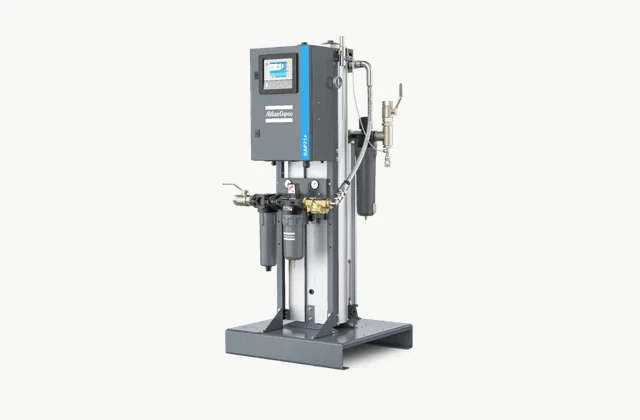
Shown as a configuration reference. Availability and the equipment offered for your project are confirmed separately.
Define the breathing-air use with responsible specialists
Identify the intended breathing-air application, user demand, supply pressure and destination. Have the responsible occupational-safety and air-system professionals determine the applicable quality and monitoring requirements. Ordinary plant air must not be assumed suitable for breathing. A purifier purchase needs a complete supply, distribution and verification plan; the product category alone does not establish a safe breathing-air system for a particular workplace.
Distinguish an industrial supplied-air installation from medical gas service or high-pressure cylinder filling. These are different projects even if a supplier lists several application families. Keep intended use and responsible sign-off explicit before asking vendors to propose a treatment train.
Assess source contamination and abnormal conditions
An existing compressor can only be considered after the responsible specialists assess its intake environment, operating conditions and contamination risks. Ask the purifier manufacturer to state acceptable inlet conditions and the contaminants its proposed stages address. Include abnormal source conditions and the response to a treatment or power failure. A new filter cabinet cannot compensate for every unsuitable intake, unreviewed contaminant or distribution arrangement.
Review where the intake could draw exhaust or process vapors and how the site prevents that condition. The procurement discussion should identify responsible engineering controls and verification requirements, not provide improvised adjustments to make ordinary compressed air appear acceptable for breathing.
Compare a complete purification and monitoring boundary
Request a named treatment sequence, rated operating conditions, monitoring functions, alarms and maintenance responsibilities for the intended application. Confirm which verification documents apply to the exact assembly and which require site acceptance. The Atlas Copco BAP reference is a manufacturer product example, not evidence that another assembly or an uncommissioned installation meets the receiving site’s breathing-air requirement.
Separate removal of liquid water, aerosols, vapor and other contaminants in the supplier’s explanation. Ask how saturation or a failed stage is detected. Keep instrument calibration, test access and the response to an alarm within the system scope rather than treating them as optional paperwork.
| Decision | Requirement to state | Evidence to request |
|---|---|---|
| Use | Application, users and destination | Qualified requirement and responsibility record |
| Source | Intake and compressor contamination risks | Manufacturer inlet limits and site assessment |
| Treatment | Stages, monitoring and abnormal response | Exact assembly and control documentation |
| Distribution | User connections and reserve supply | Complete responsible system design |
| Acceptance | Sampling, calibration and sign-off | Site-specific qualified verification |
Include distribution and the user connection
No. The responsible design must include the air source, treatment, monitoring, distribution and user interface appropriate to the application. Ask how downstream hoses, connections and any reserve supply are selected and kept identifiable. Allocate commissioning and ongoing checks across suppliers and the receiving site. A quality statement at the purifier outlet does not independently verify the condition delivered at every user’s breathing-air connection.
Show the installed locations, access and environmental conditions to the responsible professionals. Avoid mixing the project with lubricated tool-air distribution. The final layout should make component identity and service boundaries clear to the people maintaining the approved installation.
Require qualified verification before use
Have qualified responsible parties agree and perform the application-specific commissioning and air-quality verification before use. The plan should identify sampling points, operating conditions, instruments, records and required sign-off. Verify monitoring and the approved response to abnormal conditions. A generic manufacturer certificate, a clean-looking outlet or a successful test of another installation does not replace acceptance of the actual complete breathing-air system.
Retain the source conditions, treatment configuration and verification record together. Include scheduled reassessment and maintenance responsibilities in the handover. The supplier should state limitations clearly so a later change to the compressor, intake location or user demand triggers proper review.
Subject OEM and ODM requests to the same use review
OEM labels and documentation must retain traceable equipment identity and intended-use information. ODM changes to treatment, monitoring, controls or packaging require review by the responsible manufacturer and qualified system professionals. Define who validates the changed assembly and installation. Do not assume that private labeling transfers another manufacturer’s approvals or that a visually similar treatment train provides the same breathing-air protection.
Request the exact consumables, approved service procedures and calibration route for the delivered configuration. Include training for the personnel responsible for the system. Maintain the approved application boundary when replacing a component or changing the number and type of users.
The pictured manufacturer equipment and linked documents are technical configuration references. They do not imply authorized representation, stock availability, equivalent performance from another supplier or permission to relabel the pictured brand. Confirm the proposed equipment and commercial scope for the specific project.
What should your breathing air purification system RFQ include?
- Intended breathing-air application and destination
- Responsible professionals and applicable requirement review
- User demand, pressure and interruption assumptions
- Compressor/intake conditions and contamination assessment
- Named purification stages and manufacturer inlet limits
- Monitoring, alarms, calibration and abnormal-response scope
- Distribution, user connections and reserve supply responsibility
- Exact assembly documentation and maintenance traceability
- Qualified commissioning, sampling and sign-off plan
- OEM identity or ODM treatment/control changes for specialist review
Need OEM / ODM customization?
Submit branding, packaging, configuration or engineering requirements for this equipment. Include the target market, initial and annual quantities, required changes and acceptance criteria.
Customization feasibility, permitted branding, development responsibilities, minimum quantity, cost and lead time are reviewed for the proposed supplier and configuration before a quotation is confirmed.
Frequently asked questions
What must be specified for a breathing air purification system?
Identify the intended breathing-air application, user demand, supply pressure and destination. Have the responsible occupational-safety and air-system professionals determine the applicable quality and monitoring requirements. Ordinary plant air must not be assumed suitable for breathing. A purifier purchase needs a complete supply, distribution and verification plan; the product category alone does not establish a safe breathing-air system for a particular workplace.
Can breathing air purification start with an existing compressor?
An existing compressor can only be considered after the responsible specialists assess its intake environment, operating conditions and contamination risks. Ask the purifier manufacturer to state acceptable inlet conditions and the contaminants its proposed stages address. Include abnormal source conditions and the response to a treatment or power failure. A new filter cabinet cannot compensate for every unsuitable intake, unreviewed contaminant or distribution arrangement.
What should a breathing air purifier offer include?
Request a named treatment sequence, rated operating conditions, monitoring functions, alarms and maintenance responsibilities for the intended application. Confirm which verification documents apply to the exact assembly and which require site acceptance. The Atlas Copco BAP reference is a manufacturer product example, not evidence that another assembly or an uncommissioned installation meets the receiving site's breathing-air requirement.
Does a breathing air purifier alone define the whole system?
No. The responsible design must include the air source, treatment, monitoring, distribution and user interface appropriate to the application. Ask how downstream hoses, connections and any reserve supply are selected and kept identifiable. Allocate commissioning and ongoing checks across suppliers and the receiving site. A quality statement at the purifier outlet does not independently verify the condition delivered at every user's breathing-air connection.
How should breathing air purification acceptance be handled?
Have qualified responsible parties agree and perform the application-specific commissioning and air-quality verification before use. The plan should identify sampling points, operating conditions, instruments, records and required sign-off. Verify monitoring and the approved response to abnormal conditions. A generic manufacturer certificate, a clean-looking outlet or a successful test of another installation does not replace acceptance of the actual complete breathing-air system.
Can breathing air purification equipment be customized?
OEM labels and documentation must retain traceable equipment identity and intended-use information. ODM changes to treatment, monitoring, controls or packaging require review by the responsible manufacturer and qualified system professionals. Define who validates the changed assembly and installation. Do not assume that private labeling transfers another manufacturer's approvals or that a visually similar treatment train provides the same breathing-air protection.
Reference information
- Atlas Copco: BAP(+) breathing air purifier official product reference
- Atlas Copco official supporting product documentation
Reference data and images explain equipment configurations. IndustryApex engineers confirm the offered model, specification and commercial scope in your project quotation.