
Wood tenoning machine should be selected using tenon geometry, shoulder references and single-end tooling setup, with the receiving site and upstream or downstream equipment included in the discussion. Compare the proposed configuration, stated assumptions and a realistic acceptance trial together. Ask each supplier to identify exclusions, maintenance responsibilities and unresolved application questions. Define OEM branding separately from ODM integration changes so an altered machine is assessed against the same documented production requirement.
Compare wood tenoning machine proposals around tenon geometry, shoulder references and single-end tooling setup. Define the process boundary, supporting equipment and acceptance evidence before choosing a configuration. Send the same application details to each bidder and include project-specific OEM or ODM requirements in the initial inquiry.
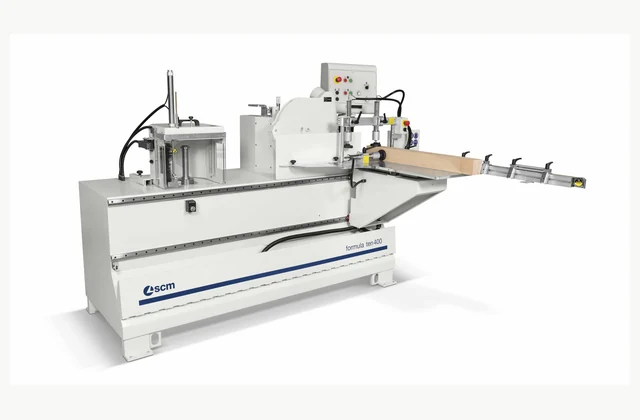
Shown as a configuration reference. Availability and the equipment offered for your project are confirmed separately.
Define tenons and their mating mortises
Provide tenon thickness, length, shoulder arrangement and mating-mortise drawings, with timber species, moisture and section sizes. Include stepped, staggered or angled joints where required. A tenoner’s timber-capacity headline does not establish every joint geometry. Identify the reference face and the shoulder that controls assembly so the supplier can assess the actual tool arrangement and workpiece support.
Distinguish single-end tenoning from double-end throughfeed profiling or a CNC joinery center. These mechanisms serve different workflows. State the batch mix and how the second end is referenced if both ends of a component need machining, rather than treating every tenoning machine as one interchangeable category.
Match cutterheads and scribing to the joint
Ask which cutterheads machine the cheeks and shoulders and whether the required joint needs a scribing or other additional unit. Map each feature to the included tooling. Review angled or staggered joints with their actual drawings. A machine able to form a simple straight tenon does not automatically produce every profile in a window or furniture joint without different cutters and setup.
The SCM formula ten 400 reference illustrates a single-end tenoning workstation with clamped workpiece support, a saw and spindle-moulding unit. Confirm the exact ten 400 or ten 400e version, tool-change arrangement and optional equipment in the offer. Keep tool ownership, sharpening and replacement identification explicit rather than treating the joint result as a feature of the base machine alone.
Review table movement and reference repeatability
The workpiece must remain against its reference fence and stop as the table carries it through the tools. Review clamping, depth stops and support on the smallest and longest components. Ask the receiving operator to reset shoulder position after training. Repeatable head movement is insufficient if the timber shifts, changes reference face or cannot be held without marking a visible surface.
Check how left- and right-hand joints and different shoulder lengths are distinguished. Include the permitted setup for angled work where required. Retain the actual fence and stop arrangement with the accepted sample so repeat production does not depend on an unrecorded hand adjustment.
| Decision | Requirement to state | Evidence to request |
|---|---|---|
| Joint | Tenon, shoulders and mating mortise | Complete joint drawing |
| Heads | Cheek, shoulder and scribing tools | Included feature-to-tool schedule |
| Holding | Reference faces, clamps and stops | Operator reset and repeated joints |
| Layout | Table travel and long rails | Complete working-envelope plan |
| Result | Fit, seating and tear-out | Mating-joint assembly sample |
Plan extraction and long-component handling
Allocate extraction for the fitted heads, power, incoming timber support and finished-part collection. Show the full sliding-table movement and the space around long rails. Confirm access for head changes and sharpening-related setup. A machine may fit in a small footprint while the workpiece travels through a much larger working area, so judge the complete tenoning workstation before fixing the floor layout.
Keep tool storage and measurement equipment within the production plan. If the machine is part of a joinery sequence, preserve part identity and reference faces between operations. A wrong-end or reversed-reference error can create a rejected component even when each individual tenon is accurately machined.
Accept joint fit after a real setup change
Machine representative components with the intended tool set and inspect tenon dimensions, shoulder position, tear-out and surface marks. Assemble the mating mortise and check shoulder seating and fit under the agreed method. Include a routine joint change and a return to a previous setup. A clean isolated tenon is not complete evidence when assembly requires extra fitting or opposite ends no longer reference correctly.
Record timber condition, tool identity and stop settings with the report. Have the receiving operator reproduce a common joint after training. Where strength or durability is important, let the responsible product designer define separate joint evaluation rather than inferring that performance from a single fitted sample.
Define custom joint tooling under OEM/ODM
OEM requests may include approved labels, manuals and a joint-specific tool package. ODM work can involve cutter arrangements, angled fixtures, stops, feeding or data-assisted setup. Require review of tool clearance, workpiece restraint and protective functions. Define ownership of custom cutters and drawings plus acceptance of the revised joint; a reference-brand image does not establish relabeling rights or universal compatibility with proprietary joinery systems.
Request service identifiers for clamps, table guides and installed heads. Keep the allowed joint range and tooling information with the machine. New timber sections or hardware-driven joint changes should receive application review before they are added to routine production.
The pictured manufacturer equipment and linked documents are technical configuration references. They do not imply authorized representation, stock availability, equivalent performance from another supplier or permission to relabel the pictured brand. Confirm the proposed equipment and commercial scope for the specific project.
What should your wood tenoning machine RFQ include?
- Tenon and mating-mortise drawings
- Timber species, moisture, section and length
- Reference faces and critical shoulder locations
- Straight, stepped, staggered or angled joint needs
- Cheek, shoulder and scribing head/tool package
- Clamping marks, tear-out and dimensional acceptance
- Depth stops, fences and long-rail support
- Extraction, power, table movement and tool service scope
- Joint-change/repeat trial and operator training
- OEM cutter package or ODM fixture, feed and setup review
Need OEM / ODM customization?
Submit branding, packaging, configuration or engineering requirements for this equipment. Include the target market, initial and annual quantities, required changes and acceptance criteria.
Customization feasibility, permitted branding, development responsibilities, minimum quantity, cost and lead time are reviewed for the proposed supplier and configuration before a quotation is confirmed.
Frequently asked questions
What should I specify for a wood tenoning machine?
Provide tenon thickness, length, shoulder arrangement and mating-mortise drawings, with timber species, moisture and section sizes. Include stepped, staggered or angled joints where required. A tenoner's timber-capacity headline does not establish every joint geometry. Identify the reference face and the shoulder that controls assembly so the supplier can assess the actual tool arrangement and workpiece support.
What tooling should a tenoning-machine quotation include?
Ask which cutterheads machine the cheeks and shoulders and whether the required joint needs a scribing or other additional unit. Map each feature to the included tooling. Review angled or staggered joints with their actual drawings. A machine able to form a simple straight tenon does not automatically produce every profile in a window or furniture joint without different cutters and setup.
How does workholding affect tenon accuracy?
The workpiece must remain against its reference fence and stop as the table carries it through the tools. Review clamping, depth stops and support on the smallest and longest components. Ask the receiving operator to reset shoulder position after training. Repeatable head movement is insufficient if the timber shifts, changes reference face or cannot be held without marking a visible surface.
What supporting equipment does a tenoner need?
Allocate extraction for the fitted heads, power, incoming timber support and finished-part collection. Show the full sliding-table movement and the space around long rails. Confirm access for head changes and sharpening-related setup. A machine may fit in a small footprint while the workpiece travels through a much larger working area, so judge the complete tenoning workstation before fixing the floor layout.
How should a wood tenoner trial be inspected?
Machine representative components with the intended tool set and inspect tenon dimensions, shoulder position, tear-out and surface marks. Assemble the mating mortise and check shoulder seating and fit under the agreed method. Include a routine joint change and a return to a previous setup. A clean isolated tenon is not complete evidence when assembly requires extra fitting or opposite ends no longer reference correctly.
Can a wood tenoning machine support OEM or ODM?
OEM requests may include approved labels, manuals and a joint-specific tool package. ODM work can involve cutter arrangements, angled fixtures, stops, feeding or data-assisted setup. Require review of tool clearance, workpiece restraint and protective functions. Define ownership of custom cutters and drawings plus acceptance of the revised joint; a reference-brand image does not establish relabeling rights or universal compatibility with proprietary joinery systems.
Reference information
- SCM formula ten 400 - ten 400e: official tenoning-machine product reference
- SCM Woodworking Tenoning Machines: official product category
Reference data and images explain equipment configurations. IndustryApex engineers confirm the offered model, specification and commercial scope in your project quotation.