
For thermal remediation and residual treatment selection, define the contaminated feed, treatment boundary and every output destination. Compare only equipment scopes that answer the same production or measurement question. Agree the required inputs, system interfaces and acceptance records before evaluating a configuration. This guide maps 10 related purchasing scopes to the evidence needed for a useful engineering proposal.
By IndustryApex Editorial · Reviewed 2026-10-23 · Editorial approach. Technical procurement guidance; the proposed equipment and commercial commitments require project-specific confirmation.
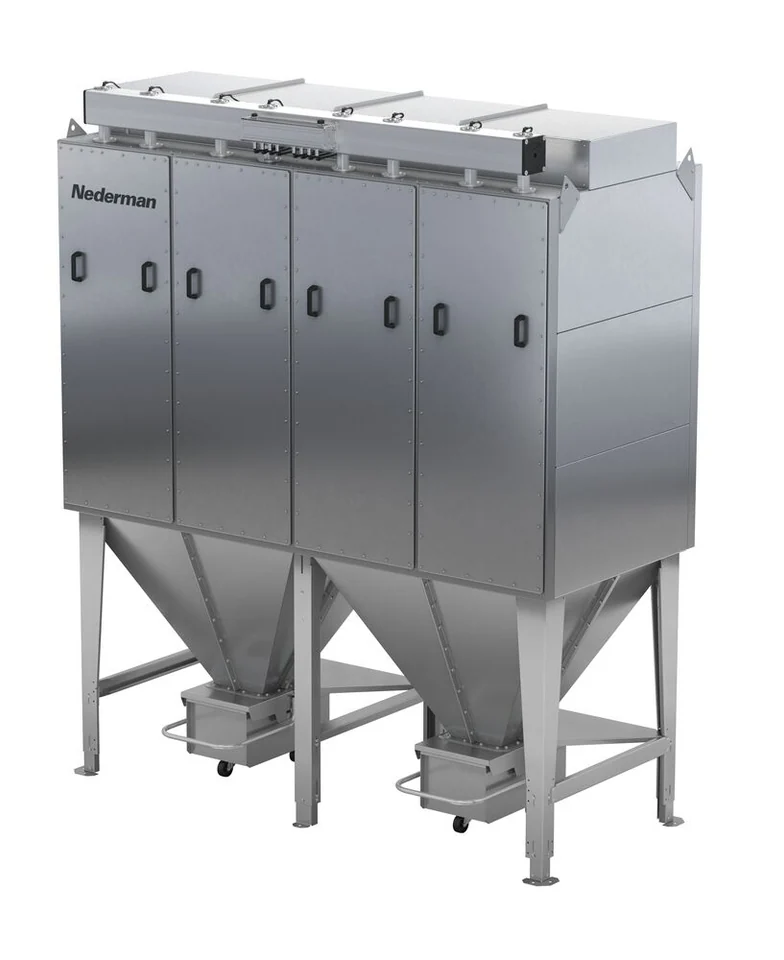
What should you define before selecting the equipment?
The contaminated feed, treatment boundary and every output destination. Write this decision into a revision-controlled requirement brief. Identify the product, material or test object, current conditions, required result and the information that is still unknown. Ask which question the proposed module actually answers before comparing quoted models.
Comparison error to avoid: treating thermal processing as evidence of a verified environmental endpoint. The options below represent distinct purchasing boundaries. Some may operate together; their presence in this guide does not make them direct substitutes or a complete production line.
Compare the application and acceptance boundary
Use each entry to identify the relevant product guide and the first technical evidence to request. Keep the same drawing revision, feed condition or test object when comparing proposals for one scope.
Thermal remediation and residual treatment integration requirements
Start with representative feed analysis and the required destinations of all output streams. Record variability, pretreatment, cleaning, sampling and downstream handling. An individual recovery or treatment module must be assessed within the complete treatment train; concentrating or transferring a constituent is not evidence that it has been destroyed.
| Interface | Information to record | Approval needed |
|---|---|---|
| Incoming material or test object | Drawing or composition revision, normal variation, presentation and preparation. | Process or quality owner confirms the representative case. |
| Utilities and controls | Actual conditions, connection points, available signals, permissions and data format. | Site engineering confirms the connection boundary. |
| Outgoing product and residuals | Accepted output, rejects, residual streams and downstream handoff. | The receiving operation confirms its requirements. |
| Trials and records | Method, samples, reference conditions, responsible party and acceptance decision. | The designated technical owner approves the test plan. |
Thermal remediation and residual treatment project cost: what belongs in the scope?
Check the quotation boundary for feed preparation, utilities, emissions control and residual handling. Include reagents or media, water, energy, cleaning, replacement elements, recovered-product conditioning and residual disposal. State the basis of each assumption and request representative trial evidence before comparing lifecycle costs.
Compare complete scopes using your measured inputs and written quotations. Record production calendar, utility assumptions, consumable replacement basis and the cost of rejected output where relevant. Mark unknown values for confirmation. Request the exclusions and optional items in writing; a generic catalogue price or assumed payback is not a project estimate.
Use the procurement cost tools to organize explicit assumptions, then reconcile them with the proposal.
Thermal remediation and residual treatment acceptance criteria and trial records
The evidence plan should establish representative trials and qualified analysis of agreed output streams. Use the product-specific trial questions above to define the actual method. Agree specimen or feed selection, operating cases, test duration where relevant, records, acceptance authority and the handling of a failed result before ordering.
Separate factory acceptance from checks that depend on the installed site. Identify the witnesses, instruments or analytical methods, traceability records and retest responsibility. Preserve the requirement revision, test conditions and exceptions with the result. A witnessed demonstration supports only the tested scope and conditions; record any untested materials, variants or operating states.
Thermal remediation and residual treatment OEM / ODM project brief
IndustryApex engineers review the application and develop the equipment and supply scope for your project. For OEM / ODM, distinguish branding and documentation requirements from functional, layout, tooling, control or process changes.
- Relevant product family and the required production or measurement result.
- Product-specific technical inputs identified in the comparison above.
- Existing equipment, utilities, controls and upstream or downstream interfaces.
- Destination country and city, installation scope and purchasing window.
- Representative trial material and the required acceptance records.
- OEM branding or requested ODM changes, with the constraints and approval owner.
Supply availability, exact configuration, customization feasibility, installation and support responsibilities are confirmed in the individual proposal.
Buyer questions
How should I start thermal remediation and residual treatment selection?
Define the contaminated feed, treatment boundary and every output destination. Identify the relevant purchasing boundary in the comparison, then prepare its specific inputs and representative trial evidence before selecting a model.
Which acceptance evidence belongs in this thermal remediation and residual treatment RFQ?
Agree representative trials and qualified analysis of agreed output streams. Add the product-specific trial points in this guide, a controlled method, responsible technical owner and a documented disposition for failed or untested cases.
What should the project cost comparison include?
Include feed preparation, utilities, emissions control and residual handling. Compare written equipment and service scopes using the actual operating profile, explicit assumptions and confirmed exclusions. A project estimate requires a configuration and site review.
Can IndustryApex review OEM / ODM requirements?
Yes. Send the required result, relevant product family, interfaces, destination and requested branding or functional changes. IndustryApex engineers assess the configuration and equipment supply scope. Feasibility, quotation, installation and support commitments are confirmed for that project.
Technical reference basis
The selection and evidence questions draw on the product library’s technical background records. References may describe original research, a process method or a related physical module. They do not establish an offered configuration, supply relationship or commercial readiness.
- ZOOM on our MARL project (technology background; not a supply claim)
- Nederman MCP SmartFilter — related equipment photograph only
- ANDRITZ to supply fluidized bed boiler system for sewage sludge mono-incineration plant in Bielefeld, Germany (technology background; not a supply claim)
- Thermal Desorption of PFAS in Soil – TRS Group (technology background; not a supply claim)
- Electrical Resistance Heating (ERH) Technology |TerraTherm (technology background; not a supply claim)
- In-Situ Delivery of Heat by Thermal Conduction and Steam Injection of Improved DNAPL Remediation (technology background; not a supply claim)
- Thermally Enhanced Soil Vapor Extraction Closing DNAPL Sites – (technology background; not a supply claim)
- Geosyntec Launches Savron as the New Home of STAR and STARx for Contaminated Soil and Liquid Organic Waste Treatment (technology background; not a supply claim)
- TW201912209A – Method for stabilizing MSWI fly ash – Google Patents (technology background; not a supply claim)
- Ash2™Phos (technology background; not a supply claim)
- EPA HANDBOOK FOR STABILIZATION/SOLIDIFICATION OF HAZARDOUS WASTES (technology background; not a supply claim)
The proposed configuration needs its own technical and acceptance evidence. Read the editorial policy.
Explore system selection guides ↗ · Browse advanced equipment families ↗
Explore the Rotary kiln hazardous residue treatment system buying guide and RFQ checklist ↗
Continue the system review
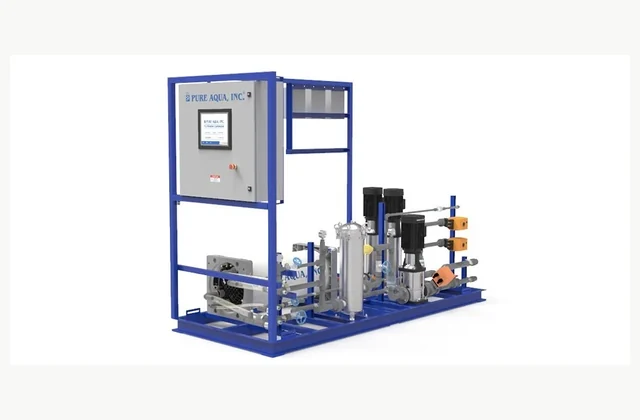
Membrane separation and water polishing: Selection and Acceptance Guide
Membrane separation and water polishing: compare application boundaries, integration requirements, project cost and acceptance evidence for 10 equipment scopes.
10 equipment scopes · 10 min read · Related module image
Compare requirements and evidence ↗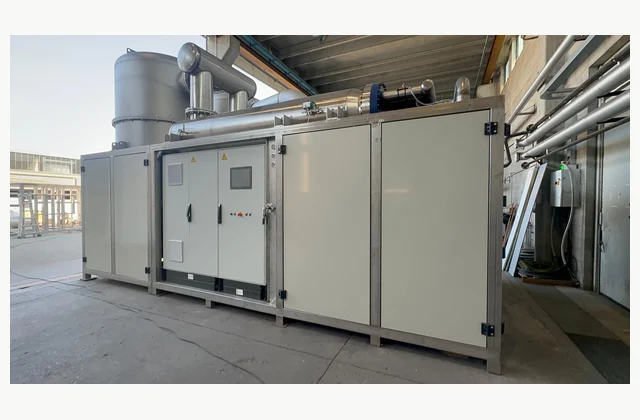
Thermal and vapor separation: Selection and Acceptance Guide
Thermal and vapor separation: compare application boundaries, integration requirements, project cost and acceptance evidence for 10 equipment scopes.
10 equipment scopes · 11 min read · Related module image
Compare requirements and evidence ↗
Wastewater biological and oxidation treatment: Selection and Acceptance Guide
Wastewater biological and oxidation treatment: compare application boundaries, integration requirements, project cost and acceptance evidence for 6 equipment scopes.
6 equipment scopes · 9 min read · Related module image
Compare requirements and evidence ↗