
- Sistemas a Laser
- Laser Systems
- Hệ thống Laser
- Maquinaria de metal de folhas
- Máquinas Industriais
- Equipamentos Elétricos
- Veículos e Peças
- Robôs Industriais
- Maquinaria de metal de folhas
- Processamento de Plásticos
- Máquinas de Embalagem
- Equipamentos de Energia
- Mineração & Engenharia
- Customized Stage System
- Maßgeschneiderte Aluminiumbühnensysteme
- Aangepaste Stage System
Exploring Custom Modular Stage Solutions for Events and Performances

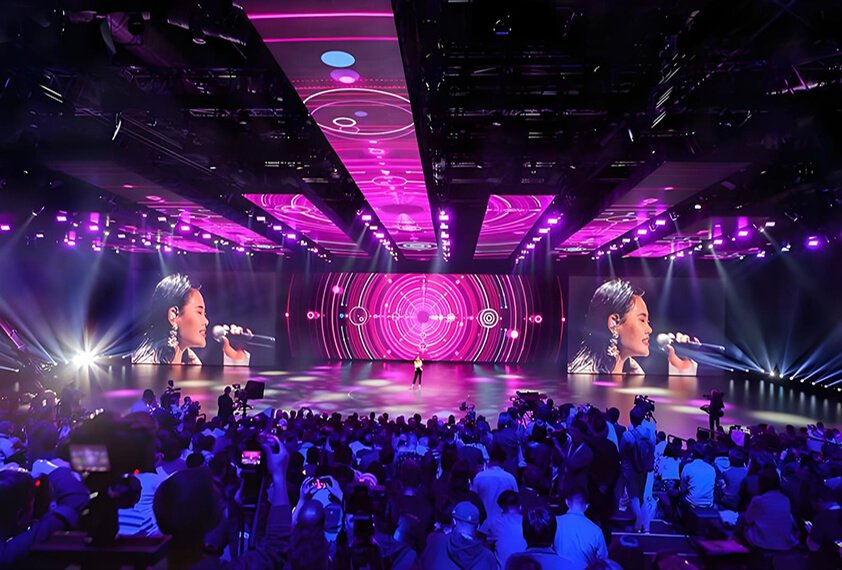
What are Custom Modular Stages?
Custom modular stages represent a significant advancement in the field of event production, providing tailored solutions that cater to the unique requirements of each performance or event. These stages are not only designed to be aesthetically pleasing but also prioritize functionality, safety, and flexibility. Unlike traditional stage setups, which tend to be extensive, fixed structures with limited adaptability, custom modular stages are composed of individual components that can be reconfigured to suit varying spaces and types of performances.
The primary advantage of custom modular stages lies in their versatility. They can be adjusted in size, shape, and design, which allows event planners to create distinctive environments for concerts, theatrical performances, corporate events, and festivals. This adaptability ensures that each event can have a customized layout that enhances the audience experience while meeting the specific logistical needs of performers and event coordinators.
Another key feature of modular stages is their ease of assembly and disassembly. Unlike traditional stages that may require extensive setup time and resources, modular systems can be quickly deployed and packed away, resulting in significant savings in labor and equipment costs. This speed of implementation is crucial for events with tight schedules or those that occur in unconventional venues.
Furthermore, custom modular stages allow for numerous design elements to be integrated into the staging structure itself. Lighting rigs, audio equipment, and even video screens can be seamlessly built into the stage, creating a cohesive setup that is both practical and visually appealing. The ability to personalize design features ensures that event branding can be effectively communicated through the staging itself.
In summary, custom modular stages are transforming the landscape of event production, enabling organizers to create tailored experiences that resonate with their audiences while maximizing efficiency and creative potential.
– Factory-direct supply
– Custom-made modular stage systems
– Stable production capacity
– Support for agents, distributors, and local partners
Customization Options Available for Modular Stage Systems
Modular stage systems offer a multitude of customization options that can be tailored to meet the unique requirements of various events and performances. One of the primary factors in customization is size variations. Modular stages can be configured to create different dimensions, which allows event organizers to adjust the stage area based on the venue size or the nature of the performance. This flexibility ensures that the stage fits seamlessly within the context of the event, enhancing the audience’s experience.
Another critical aspect of customization is height adjustments. Many modular stage systems come with the capability to modify the elevation of the stage, accommodating the specific needs of different types of performances. For instance, a concert may require a higher platform to create a more immersive view for attendees, while a seminar or conference might benefit from a lower setup that facilitates better interaction with the audience.
Weight load capacities are also a vital consideration in the design of modular stage systems. Depending on the performance requirements, stages can be engineered to support varying weights, including heavy lighting rigs, sound equipment, or artistic installations. This ensures that the stage remains safe and stable, no matter how elaborate the production may be.
Additionally, finishes play a significant role in the customization of modular stages. From carpeted surfaces to high-gloss finishes, the aesthetic options available can enhance the visual appeal and contribute to the thematic elements of an event. For example, a sophisticated gala may prefer a sleek finish, while a theatrical production might opt for a textured look that adds depth to the staging.
In summary, the customization options available for modular stage systems, including size variations, height adjustments, weight load capacities, and aesthetic finishes, enable event planners and performers to create a tailored solution that aligns perfectly with their event’s requirements.
Overview of the Manufacturing Process for Modular Stages
The manufacturing process of custom modular stages begins with the selection of high-quality materials, predominantly aluminum. Aluminum is widely favored in stage construction due to its lightweight nature, corrosion resistance, and structural integrity. The use of aluminum not only facilitates easier transportation and assembly but also enhances the overall durability of modular stage designs.
Initially, the design phase involves close collaboration between clients and manufacturers. This includes discussing the specific requirements of an event or performance to ensure that the custom stage meets the client’s vision and technical specifications. Once the designs are finalized, the actual manufacturing of the modular stage commences. The aluminum is shaped and fabricated into various components, which include platform sections, support legs, and connecting hardware. It is crucial during this phase to employ precision engineering techniques to achieve the desired dimensions and load capacities, so safety and functionality are maintained.
Quality control plays a vital role throughout the manufacturing process. Regular inspections are conducted to assess each component’s integrity, ensuring that they comply with industry standards and regulations. This consistency in quality safeguards against defects that could compromise the safety and reliability of the stage during events.
The original equipment manufacturer (OEM) stage supplier is integral to the entire process. They are responsible for turning custom designs into reality while adhering to specific performance criteria. By utilizing advanced manufacturing technologies and maintaining open communication with clients, they ensure that every customized modular stage is produced to perfection, aligning with the intended use and design specifications.
Common Use Cases and Industries for Custom Event Stages
Custom modular stages have gained popularity across various industries and events, providing tailored solutions that meet diverse staging needs. One of the most prominent sectors utilizing these custom event stages is the music industry. Concerts and music festivals often require adaptable stages to accommodate different artists and performance types. With the ability to configure custom designs, event organizers can create dynamic performances that enhance the audience experience while ensuring safety and durability.
In addition to music events, corporate functions also frequently deploy custom modular stages. These stages are ideal for product launches, conferences, and seminars, allowing organizations to craft unique environments that reflect their brand identity. This adaptability can lead to improved engagement as attendees are more likely to find visually appealing setups memorable and inspiring.
Another significant application of custom modular stages is in festivals, which often necessitate large-scale installations to support diverse acts and activities. Festivals can benefit from the flexibility of modular stages, allowing them to easily adjust size and shape as required for various performances throughout the event duration.
Trade shows represent yet another industry that frequently adopts custom event stages. Companies utilize these platforms to attract visitors, showcase products, and host presentations. A well-designed stage can draw attention and facilitate networking opportunities, ultimately driving business results.
Moreover, the advantages of factory-direct custom manufacturing are notable. By sourcing these modular stage solutions straight from the manufacturer, organizations can reduce costs significantly, enhancing their event budgets. Efficiency in the production process also means shorter lead times, allowing event planners to address last-minute changes or requirements seamlessly. By considering custom modular stage solutions, event organizers can ensure they create engaging, flexible, and cost-effective setups tailored for their specific occasions.