
Store and move water around a site with a bowser selected for water use, towing conditions and the required pump or dispensing package. Separate tank capacity from the complete transport and delivery arrangement, then define cleaning, accessories and destination requirements. Prioritize water use, capacity, towing. Use the checkpoints to build a consistent equipment scope and confirm the intended trial or installation evidence. The official image is a product reference; it does not establish availability or an authorized supplier relationship. Submit OEM/ODM changes for application-specific feasibility review.
Store and move water around a site with a bowser selected for water use, towing conditions and the required pump or dispensing package. Separate tank capacity from the complete transport and delivery arrangement, then define cleaning, accessories and destination requirements.
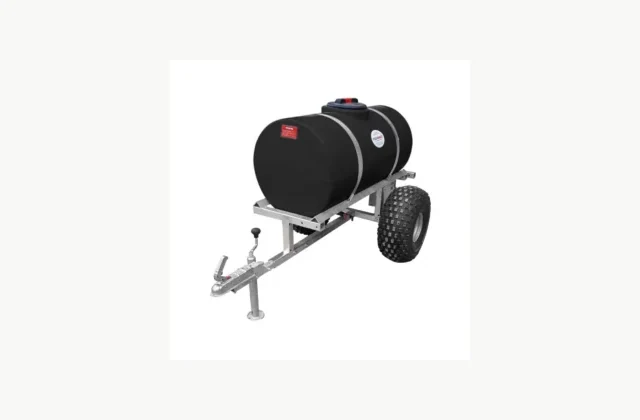
Shown as a configuration reference. Availability and the equipment offered for your project are confirmed separately.
State what the water will be used for
A site bowser may support dust suppression, equipment supply, washing or another non-potable task, while drinking-water use introduces a different material and hygiene scope. Identify the intended water quality and any treatments or additives. Do not assume a bowser suitable for one task is appropriate for every use. If potable water is required, obtain evidence for the complete proposed tank and water-contact arrangement rather than inferring it from a color or general family description.
Match tank capacity to site movement
Capacity should follow the supply interval, delivery demand and permitted towing arrangement. Water mass affects the loaded combination, so consider the tank, trailer and equipment together. Describe site surfaces, gradients, access and the towing vehicle. A site-tow product should not be assumed approved for road towing. Establish whether the machine remains within the work site or travels on public roads and obtain the relevant configuration and documentation for the destination.
Specify dispensing rather than only a pump plate
A mounting plate provides a place for equipment; it does not establish that a pump is supplied. The Enduramaxx reference page explicitly describes bowsers with a pump plate and no pump. List the required pump duty, power source, hose, fittings and dispensing devices. For dust suppression, describe the application and delivery arrangement. A complete quotation should distinguish the tank and chassis from the equipment that actually moves water to the point of use.
| Selection issue | Information to specify |
|---|---|
| Water use | Dust suppression, washing, equipment supply or drinking-water duty. |
| Capacity | Demand, refill interval and loaded combination mass. |
| Towing | Site or public-road use, tow vehicle and route conditions. |
| Delivery package | Pump, power source, hose and dispensing devices included. |
| Connections | Fill, outlet, drain and cleaning-access requirements. |
| Acceptance | Complete filling, movement and delivery arrangement verification. |
Coordinate filling and site supply
Describe the water source, filling connection, available pressure or transfer equipment and access to the tank opening. Include the outlet and any drain or cleaning arrangements needed for the task. Check compatibility of fittings and hose storage. Where a supply could be contaminated or confused with another service, the responsible site design should address identification and separation. Do not leave important water-contact components to unidentified substitutions made after delivery.
Assess tank and chassis service conditions
The material and support arrangement need to suit water, exposure and movement within the manufacturer’s limits. Discuss sunlight, temperature, storage and any cleaning chemicals. Inspect access to the frame, running gear, hitch and tank fittings. A rugged-looking tank does not settle trailer maintenance or towing suitability. Request instructions for the actual bowser configuration, and identify replacement seals, valves or chassis parts that the site may need during service.
Accept a complete filling-and-delivery cycle
Check the delivered tank, chassis, fittings and any pump against the order. Demonstrate filling, controlled movement and dispensing using the intended arrangement and applicable procedures. Observe leaks, access and the practical hose workflow. For drinking-water applications, the responsible operator must establish cleaning and hygiene arrangements appropriate to the use. Keep the water-contact specification and configuration records with the bowser so later accessory changes can be reviewed consistently.
Define OEM/ODM by the water task
Possible adaptations include fittings, hose organization, identification, pump mounts or selected dispensing interfaces. Changes to tank construction, chassis or towing loads require engineering and destination review. Supply the intended water use and tow conditions with the brief. An alternative private-label design needs its own evidence for materials and the complete arrangement. The reference photograph is an equipment example and does not imply that a pump or road-tow approval is included.
What should your site water bowser RFQ include?
- Water use: Dust suppression, washing, equipment supply or drinking-water duty.
- Capacity: Demand, refill interval and loaded combination mass.
- Towing: Site or public-road use, tow vehicle and route conditions.
- Delivery package: Pump, power source, hose and dispensing devices included.
- Connections: Fill, outlet, drain and cleaning-access requirements.
- Acceptance: Complete filling, movement and delivery arrangement verification.
- Destination, site conditions and delivery access
- Installation boundary, utilities and connection drawings
- Acceptance procedure, documentation and training scope
- OEM/ODM changes: interface, material, branding or new design; written engineering feasibility required
Need OEM / ODM customization?
Submit branding, packaging, configuration or engineering requirements for this equipment. Include the target market, initial and annual quantities, required changes and acceptance criteria.
Customization feasibility, permitted branding, development responsibilities, minimum quantity, cost and lead time are reviewed for the proposed supplier and configuration before a quotation is confirmed.
Frequently asked questions
Does a water bowser with a pump plate include a pump?
Not necessarily. A mounting plate is an interface and the reference package can be supplied without a pump. Specify the required pump, power source, hose and dispensing equipment separately and request an itemized list so the delivered bowser can perform the intended water task.
Can a site-tow bowser be used on public roads?
Do not assume so. Site and road towing can involve different configuration and documentation requirements. State the destination, route and towing vehicle and obtain confirmation for the exact loaded arrangement before choosing the chassis. Tank capacity alone does not establish road suitability.
Can every water bowser carry drinking water?
No. Drinking-water use needs an appropriate complete water-contact and hygiene arrangement. Obtain evidence for the exact tank, fittings and intended conditions rather than relying on color or a general product-family claim. Establish cleaning and operational responsibilities with the responsible water-use specialist.
What details are needed for a dust-suppression package?
Describe where and how water is to be delivered, the required dispensing arrangement, site access and available power. Specify pump duty, hoses and fittings as a complete package. A tank and trailer alone do not establish useful spray or delivery performance for the application.
How should bowser capacity be chosen?
Consider water demand, refill frequency and the permissible loaded towing combination. Include the mass of water, tank, chassis and equipment. A larger tank may create movement or access constraints, so assess capacity with the actual site route and towing vehicle rather than volume alone.
Which bowser features can be customized?
Fittings, pump mounting, hose storage and identification can be submitted for review. Tank, chassis or towing-load changes need engineering assessment and relevant destination evidence. Include water use and cleaning needs in the OEM/ODM brief so changes preserve suitability of the complete arrangement.
Reference information
- Site Tow Water Bowsers - Drinking Water Bowsers
- Our Range Of Enduramaxx Water Bowsers – FAQs - Enduramaxx
Reference data and images explain equipment configurations. IndustryApex engineers confirm the offered model, specification and commercial scope in your project quotation.