
Plan modular scaffolding as an engineered access system with compatible standards, ledgers, decks, bracing and ties. Select the arrangement from the work task and building geometry, then define loading, assembly, inspection and future component expansion before comparing material quantities. Prioritize task and geometry, loading, system identity. Use the checkpoints to build a consistent equipment scope and confirm the intended trial or installation evidence. The official image is a product reference; it does not establish availability or an authorized supplier relationship. Submit OEM/ODM changes for application-specific feasibility review.
Plan modular scaffolding as an engineered access system with compatible standards, ledgers, decks, bracing and ties. Select the arrangement from the work task and building geometry, then define loading, assembly, inspection and future component expansion before comparing material quantities.
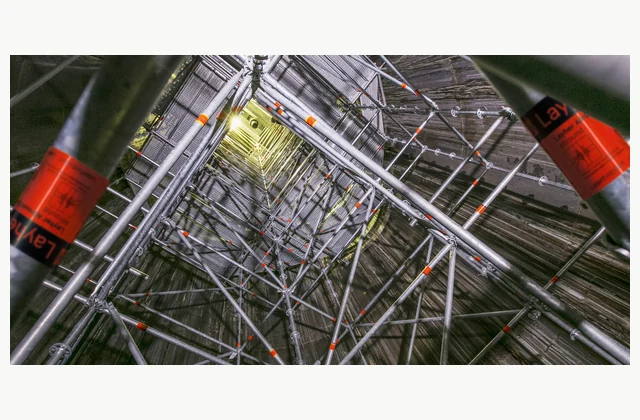
Shown as a configuration reference. Availability and the equipment offered for your project are confirmed separately.
Define the access task and geometry
Modular construction scaffolding uses a coordinated component system to create working and access arrangements. Start with building elevations, work activities, required platforms and the position of entrances or obstructions. State whether the structure supports facade work, internal access or another defined duty. A flexible connection system does not eliminate the need for a suitable design. Include the construction sequence and the ways materials and people reach each working level.
Specify loads and working platforms
Platform duty depends on people, tools, stored materials and how loads are distributed. A scaffold suitable for inspection may not suit masonry work or heavy material storage. Provide platform dimensions, access requirements and the anticipated simultaneous use of levels. The design must address the applicable conditions for the actual configuration. Do not treat a component load value as the capacity of an entire assembled scaffold with different spans or support conditions.
Keep components within a compatible system
Standards, ledgers, braces, decks and connection geometry form an interdependent system. Similar-looking rosettes or connection heads do not establish interchangeability between manufacturers or generations. Identify permitted components and documentation for the proposed assembly. The Layher Allround reference illustrates a modular scaffolding system; a product photograph does not authorize mixing unassessed components. Keep part identification and compatibility controls in the purchasing and inspection process, especially when expanding an existing inventory.
| Selection issue | Information to specify |
|---|---|
| Task and geometry | Building elevations, work type, access and platform positions. |
| Loading | People, materials and simultaneous use of working levels. |
| System identity | Documented components and compatibility with existing inventory. |
| Stability | Foundations, ties, wind exposure and planned sheeting. |
| Assembly | Erection sequence, access modules and protective arrangements. |
| Lifecycle | Inspection, damaged-part rejection and expansion documentation. |
Resolve foundations, ties and stability
The scaffold design must transfer loads into suitable ground, bases and supporting structures. Provide site levels, bearing information and possible anchor positions. Wind exposure, sheeting, netting and cantilevers can change structural demands and must be included in the design brief. Establish who designs ties and checks the supporting building. Adding facade protection after erection without reviewing its effect can alter conditions assumed in the original scaffold arrangement.
Plan assembly and access from the outset
The method of erection, dismantling and alteration should follow the selected system and local requirements, using competent personnel. Include access stairs or ladders, edge protection and arrangements needed during assembly, not just the completed working decks. Identify handling routes and storage for loose components. A quotation based only on standards and ledgers may omit the items that make the scaffold usable for the intended access and work sequence.
Inspect and manage the component inventory
Handover should identify the installed configuration and any required inspection records. Establish checks after alterations and relevant events according to the responsible site procedures. Components need condition assessment, identification and a process for rejecting damaged or unsuitable items. Include storage and cleaning practices and the availability of replacement decks, connectors and small parts. Future expansion is easier when the inventory follows a documented system rather than a collection of visually similar fittings.
Treat OEM/ODM as a structural system question
Special decks, brackets, access modules or identification arrangements can be submitted for review. Changes to load-bearing members or connections require design assessment and appropriate evidence for the intended assembly. Supply loads, geometry and destination requirements with the inquiry. Private labeling must not obscure traceability or imply another manufacturer’s approval. Confirm how newly engineered components will be identified, inspected and kept separate from parts whose compatibility has not been established.
What should your modular construction scaffolding RFQ include?
- Task and geometry: Building elevations, work type, access and platform positions.
- Loading: People, materials and simultaneous use of working levels.
- System identity: Documented components and compatibility with existing inventory.
- Stability: Foundations, ties, wind exposure and planned sheeting.
- Assembly: Erection sequence, access modules and protective arrangements.
- Lifecycle: Inspection, damaged-part rejection and expansion documentation.
- Destination, site conditions and delivery access
- Installation boundary, utilities and connection drawings
- Acceptance procedure, documentation and training scope
- OEM/ODM changes: interface, material, branding or new design; written engineering feasibility required
Need OEM / ODM customization?
Submit branding, packaging, configuration or engineering requirements for this equipment. Include the target market, initial and annual quantities, required changes and acceptance criteria.
Customization feasibility, permitted branding, development responsibilities, minimum quantity, cost and lead time are reviewed for the proposed supplier and configuration before a quotation is confirmed.
Frequently asked questions
Can modular scaffolding fit any building without design work?
Its component flexibility helps create varied layouts, but the actual assembly still needs a suitable design for loads, support and access. Provide building geometry and the work task. Complex ties, cantilevers, sheeting or unusual foundations require attention beyond choosing convenient component lengths.
Can similar rosette scaffold components be mixed?
Similar appearance does not prove compatibility. Connections, dimensions, materials and permitted assemblies can differ. Use the documented system and obtain an appropriate technical assessment before mixing components. Purchasing controls should retain part identity so unassessed substitutes do not enter the working inventory unnoticed.
What load information should buyers provide?
Describe people, tools, stored materials and the number of levels used simultaneously. Include concentrated loads and required platform dimensions. The assembled scaffold must be evaluated for that duty; a single component rating does not establish the capacity of every possible span or layout.
Does adding netting or sheeting affect scaffolding?
It can change wind-related demands and the conditions used for the design. Include planned covers and exposure in the initial brief. Later additions should be reviewed through the responsible design and inspection process rather than attached on the assumption that they are only cosmetic accessories.
What should a complete scaffolding quotation include?
Specify standards, ledgers, bracing, decks, ties, bases, access and edge-protection components for the planned assembly. Include design and documentation responsibilities where applicable. An inexpensive frame-material quote can omit essential access or stability items, making it unsuitable for direct comparison with a complete system.
Can special scaffold components be made through OEM/ODM?
A manufacturer can assess special modules or interfaces, but load-bearing changes require engineering and evidence for the intended assembly. Provide geometry and loads and preserve traceable identification. A customized component should not imply compatibility with a reference-brand system unless that assessment is established.
Reference information
- Allround Scaffolding
- Allround Scaffolding
Reference data and images explain equipment configurations. IndustryApex engineers confirm the offered model, specification and commercial scope in your project quotation.