
A metal cold saw should be selected using tube and profile sections, blade selection and finished cut ends, with the receiving site and upstream or downstream equipment included in the discussion. Compare the proposed configuration, stated assumptions and a realistic acceptance trial together. Ask each supplier to identify exclusions, maintenance responsibilities and unresolved application questions. Define OEM branding separately from ODM integration changes so an altered machine is assessed against the same documented production requirement.
Compare metal cold saw proposals around tube and profile sections, blade selection and finished cut ends. Define the process boundary, supporting equipment and acceptance evidence before choosing a configuration. Send the same application details to each bidder and include project-specific OEM or ODM requirements in the initial inquiry.
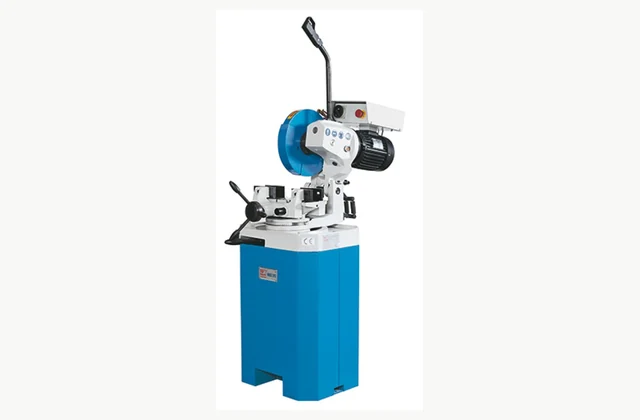
Shown as a configuration reference. Availability and the equipment offered for your project are confirmed separately.
Define sections and end quality before blade diameter
List material grades, solid or hollow sections, wall thicknesses and the required straight or miter cuts. A cold saw quotation should match the actual cross-section and cut-end requirement, not just a large blade diameter. Include thin-wall tubes and asymmetric profiles in the application review. State whether the end will be welded, fitted, threaded or used directly after cutting.
Describe the burr and squareness inspection separately from a generic accuracy request. Long slender stock may need support that a short demonstration piece does not reveal. Supply samples in the condition normally delivered to the shop, including scale or coatings that affect blade choice.
Compare blade teeth, speed and coolant as a process
A toothed cold saw removes material with a blade and controlled cutting conditions, commonly using coolant. Friction cutting is a heat-producing process and should not be treated as interchangeable because both use a disc. Ask the supplier to select blade type, tooth pitch, speed range and coolant method for your section. Require evidence of the cut end rather than relying on the process label.
Discuss mixed materials explicitly. A blade and setting chosen for one wall thickness can be inappropriate for another section. Ask how operators identify the correct tooling, when sharpening or replacement is needed and which consumables are supplied with the initial machine.
Check miter range, clamping and stock support
Useful capacity changes with section shape, cut angle and the way the vise holds stock. Request a configuration-specific capacity explanation for your worst miter and tube orientation. Confirm that the blade can enter without moving thin-wall stock or marking a cosmetic face. Include infeed rollers, length stops and outfeed support in the comparison so the saw is evaluated as a cutting station.
The KNUTH KKS T family reference is a workshop cold-saw example. Distinguish the pictured representative from the exact model and accessories in any offer. A family name does not establish that every version shares the same cutting envelope or feeding arrangement.
| Decision | Requirement to state | Evidence to request |
|---|---|---|
| Sections | Grade, wall, shape and miter | Capacity explanation for actual stock |
| Tooling | Blade teeth, speed and coolant | Recorded sample-cut configuration |
| Workholding | Thin walls and cosmetic surfaces | Clamping trial without movement or damage |
| Station | Long-bar feeding and part collection | Roller, stop and access layout |
| Cut ends | Length, angle, burr and face finish | Inspected mixed-section test list |
Arrange coolant, chips and long-bar movement
Show the full stock length and the direction in which bars enter and finished pieces leave. Allocate space for rollers, stop adjustment and safe collection of offcuts. Ask how coolant is circulated, filtered and cleaned and how chips are removed. Confirm the electrical supply and operator access for blade changes without assuming that the base footprint defines the complete workstation.
For repetitive lengths, discuss whether a manual stop is sufficient or an indexed feed is justified by the work mix. Document who supplies roller alignment and any integration with storage. A powered feeder changes guarding, control and interruption recovery as well as loading convenience.
Accept cut ends on mixed representative sections
Prepare a test list with a solid bar, thin-wall tube and difficult profile if those appear in normal work. Include the most demanding miter. Inspect cut length, angle, burr and face condition after the agreed cleanup. Observe clamping and release as well as blade engagement, and record the blade, coolant and feed method used for each sample.
Time the complete repeat-length sequence, including repositioning stock and removing parts, rather than only the saw’s downward movement. Have the supplier demonstrate a normal blade change and explain alignment checks. A useful trial reveals operator effort and repeatability alongside the appearance of one cut.
Specify OEM presentation and ODM feeding separately
OEM requests can cover labels, document language and an agreed tooling bundle. ODM changes may involve stock feeding, automatic length positioning, workholding or downstream collection. Require a responsible engineering review of the integrated cutting station, including control interfaces and acceptance samples. Confirm who maintains drawings and replacement-part identification when accessories or controls differ from the original standard machine.
Request the blade service route and wear-part identifiers for the installed vise and coolant system. Do not convert a quoted blade life from another material into your expected cost per cut. Establish that estimate only after an agreed cutting trial with representative sections.
The pictured manufacturer equipment and linked documents are technical configuration references. They do not imply authorized representation, stock availability, equivalent performance from another supplier or permission to relabel the pictured brand. Confirm the proposed equipment and commercial scope for the specific project.
What should your metal cold saw RFQ include?
- Material grades and solid or hollow section drawings
- Wall thicknesses, bar lengths and surface condition
- Straight and miter angle requirements
- Cut length, angle, burr and face acceptance
- Blade type, tooth selection and coolant scope
- Vise arrangement and allowable clamp marks
- Infeed rollers, stops and outfeed collection
- Electrical supply, coolant cleaning and chip access
- Mixed-section cutting trial and blade-service route
- OEM labels or ODM feed, clamp and control integration
Need OEM / ODM customization?
Submit branding, packaging, configuration or engineering requirements for this equipment. Include the target market, initial and annual quantities, required changes and acceptance criteria.
Customization feasibility, permitted branding, development responsibilities, minimum quantity, cost and lead time are reviewed for the proposed supplier and configuration before a quotation is confirmed.
Frequently asked questions
What should I specify for a metal cold saw?
List material grades, solid or hollow sections, wall thicknesses and the required straight or miter cuts. A cold saw quotation should match the actual cross-section and cut-end requirement, not just a large blade diameter. Include thin-wall tubes and asymmetric profiles in the application review. State whether the end will be welded, fitted, threaded or used directly after cutting.
How is a cold saw different from a friction saw?
A toothed cold saw removes material with a blade and controlled cutting conditions, commonly using coolant. Friction cutting is a heat-producing process and should not be treated as interchangeable because both use a disc. Ask the supplier to select blade type, tooth pitch, speed range and coolant method for your section. Require evidence of the cut end rather than relying on the process label.
What limits useful capacity on a miter cold saw?
Useful capacity changes with section shape, cut angle and the way the vise holds stock. Request a configuration-specific capacity explanation for your worst miter and tube orientation. Confirm that the blade can enter without moving thin-wall stock or marking a cosmetic face. Include infeed rollers, length stops and outfeed support in the comparison so the saw is evaluated as a cutting station.
What installation details affect a cold-saw workstation?
Show the full stock length and the direction in which bars enter and finished pieces leave. Allocate space for rollers, stop adjustment and safe collection of offcuts. Ask how coolant is circulated, filtered and cleaned and how chips are removed. Confirm the electrical supply and operator access for blade changes without assuming that the base footprint defines the complete workstation.
How should I test a metal cold saw before ordering?
Prepare a test list with a solid bar, thin-wall tube and difficult profile if those appear in normal work. Include the most demanding miter. Inspect cut length, angle, burr and face condition after the agreed cleanup. Observe clamping and release as well as blade engagement, and record the blade, coolant and feed method used for each sample.
Can a metal cold saw be customized for my production line?
OEM requests can cover labels, document language and an agreed tooling bundle. ODM changes may involve stock feeding, automatic length positioning, workholding or downstream collection. Require a responsible engineering review of the integrated cutting station, including control interfaces and acceptance samples. Confirm who maintains drawings and replacement-part identification when accessories or controls differ from the original standard machine.
Reference information
- KNUTH KKS T cold saw product-family reference
- KNUTH official supporting product documentation
Reference data and images explain equipment configurations. IndustryApex engineers confirm the offered model, specification and commercial scope in your project quotation.