
Select an amphibious dredger from water depth, access, sediment properties and the required disposal route. Compare flotation, support and working tools with the complete project method, then verify useful excavation or pumping performance under representative shallow-water conditions. Demonstrate representative access, setup and material removal using the intended attachment and discharge route. Measure useful output and material condition with agreed methods and record water depth, sediment and tool settings. Verify tool changes and transport conversion without treating a clean-water or unloaded demonstration as full project evidence. Submit the intended configuration and any OEM/ODM changes for project-specific feasibility review.
Select an amphibious dredger from water depth, access, sediment properties and the required disposal route. Compare flotation, support and working tools with the complete project method, then verify useful excavation or pumping performance under representative shallow-water conditions.
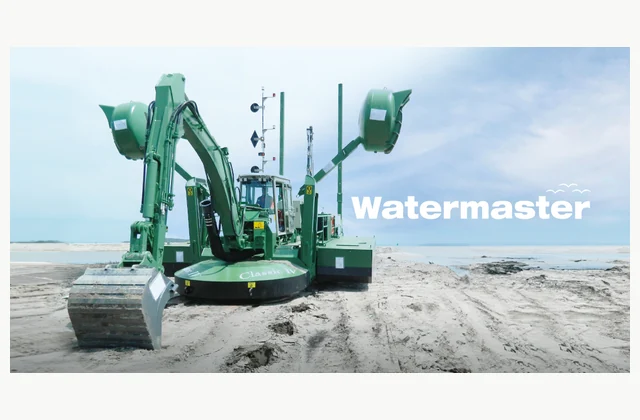
Shown as a configuration reference. Availability and the equipment offered for your project are confirmed separately.
Characterize the waterway and access
Provide bathymetry, water-level variation, banks, bed conditions and available launching points. Amphibious access combines different land, shallow-water and afloat situations. A machine pictured moving on one shoreline does not establish that it can cross every soft bank or work safely at every depth.
Test the sediment and obstructions
Supply representative sediment properties, contamination information, debris and expected vegetation. Pumpable silt and material requiring bucket excavation need different tools and handling. Include hidden obstructions and the intended separation or disposal route so the dredger selection reflects the actual material, not only surface appearance.
Match tools to the work programme
Define dredging, digging, vegetation removal or other intended tasks and the exact attachments needed. A multipurpose carrier does not include every pictured tool by default. Compare tool-change arrangements and hydraulic interfaces, keeping each attachment's operating limits distinct from the carrier's general capability.
Assess flotation and working support
Qualified project specialists should review water depth, ground support, currents and the offered stability arrangements. Working reach and tool forces change the load case. Nominal flotation or a reach figure is not enough to establish safe operation throughout the complete excavation envelope.
Plan material transfer and discharge
For pumping, provide discharge distance, lift, pipeline route and receiving conditions with sediment data. For excavation, define containers and onward transport. Useful project output depends on the whole material route; carrier cycle or pump headline capacity alone cannot establish sediment removal to the agreed destination.
Include transport wear and service access
Confirm mobilization dimensions, lifting or trailer needs and the tools removed for transport. Identify wear components, pontoons or supports and hydraulic service instructions. Plan maintenance access on land and safe isolation of attachments so routine repair does not depend on unstable improvised work over water.
Compare a complete amphibious dredger scope
| Decision | Information to compare |
|---|---|
| Characterize the waterway and access | Water depths, level variation, banks, bed bearing and launch/access points |
| Test the sediment and obstructions | Sediment, debris, vegetation, contamination and disposal requirements |
| Match tools to the work programme | Task list, pump/bucket/other attachments, interfaces and tool-change scope |
| Assess flotation and working support | Afloat/grounded duty, currents, support, stability and working envelope |
| Plan material transfer and discharge | Discharge line/lift, receiving area, excavation handling and useful output |
| Include transport wear and service access | Transport plan, lifting/trailer interfaces, wear parts and service location |
Plan installation and access
Qualified marine, civil and environmental specialists should approve the site method, launch arrangements, work zones and disposal interfaces. Set up the offered tools and pipeline according to the manufacturer and project instructions. Confirm operator training, emergency access and communications for both water and land movement.
Agree acceptance evidence before ordering
Demonstrate representative access, setup and material removal using the intended attachment and discharge route. Measure useful output and material condition with agreed methods and record water depth, sediment and tool settings. Verify tool changes and transport conversion without treating a clean-water or unloaded demonstration as full project evidence.
Define OEM/ODM engineering boundaries
OEM attachments and pipeline or handling interfaces can be reviewed within engineered limits. ODM pontoons, support, reach or pressure-system changes need structural and project validation. Reference imagery does not establish stock, marine suitability for an unassessed site or authorization to reproduce the dredger.
What should your amphibious dredger RFQ include?
- Water depths, level variation, banks, bed bearing and launch/access points
- Sediment, debris, vegetation, contamination and disposal requirements
- Task list, pump/bucket/other attachments, interfaces and tool-change scope
- Afloat/grounded duty, currents, support, stability and working envelope
- Discharge line/lift, receiving area, excavation handling and useful output
- Transport plan, lifting/trailer interfaces, wear parts and service location
- Destination, working environment, access and delivery constraints
- Installation responsibility, utilities and connection drawings
- Acceptance samples, documented test method, operator training and maintenance scope
- OEM/ODM changes requested: identification, tooling, interfaces or new design; engineering feasibility to be confirmed
Need OEM / ODM customization?
Submit branding, packaging, configuration or engineering requirements for this equipment. Include the target market, initial and annual quantities, required changes and acceptance criteria.
Customization feasibility, permitted branding, development responsibilities, minimum quantity, cost and lead time are reviewed for the proposed supplier and configuration before a quotation is confirmed.
Frequently asked questions
How do I characterize the waterway and access?
Provide bathymetry, water-level variation, banks, bed conditions and available launching points. Amphibious access combines different land, shallow-water and afloat situations. A machine pictured moving on one shoreline does not establish that it can cross every soft bank or work safely at every depth.
How do I test the sediment and obstructions?
Supply representative sediment properties, contamination information, debris and expected vegetation. Pumpable silt and material requiring bucket excavation need different tools and handling. Include hidden obstructions and the intended separation or disposal route so the dredger selection reflects the actual material, not only surface appearance.
How do I match tools to the work programme?
Define dredging, digging, vegetation removal or other intended tasks and the exact attachments needed. A multipurpose carrier does not include every pictured tool by default. Compare tool-change arrangements and hydraulic interfaces, keeping each attachment's operating limits distinct from the carrier's general capability.
How do I assess flotation and working support?
Qualified project specialists should review water depth, ground support, currents and the offered stability arrangements. Working reach and tool forces change the load case. Nominal flotation or a reach figure is not enough to establish safe operation throughout the complete excavation envelope.
How do I plan material transfer and discharge?
For pumping, provide discharge distance, lift, pipeline route and receiving conditions with sediment data. For excavation, define containers and onward transport. Useful project output depends on the whole material route; carrier cycle or pump headline capacity alone cannot establish sediment removal to the agreed destination.
How do I include transport wear and service access?
Confirm mobilization dimensions, lifting or trailer needs and the tools removed for transport. Identify wear components, pontoons or supports and hydraulic service instructions. Plan maintenance access on land and safe isolation of attachments so routine repair does not depend on unstable improvised work over water.
Reference information
- Watermaster Classic V official product reference
- Watermaster amphibious dredger official family or technical reference
Reference data and images explain equipment configurations. IndustryApex engineers confirm the offered model, specification and commercial scope in your project quotation.