
Power and control farm implements using a wheeled tractor selected for tractive work, hydraulics, PTO demand and local support. The buying process should establish main farm operations, hydraulic demand, pto and linkage, and traction and ballast. Use the comparison checkpoints to prepare a consistent quotation request, define installation and acceptance responsibilities, and identify missing accessories or evidence. OEM/ODM is a project-specific feasibility question; request written confirmation of any proposed change and the supporting documentation.
Power and control farm implements using a wheeled tractor selected for tractive work, hydraulics, PTO demand and local support. Compare configuration, interfaces and acceptance evidence before requesting an application-specific quotation or OEM/ODM feasibility review. List the main implements.
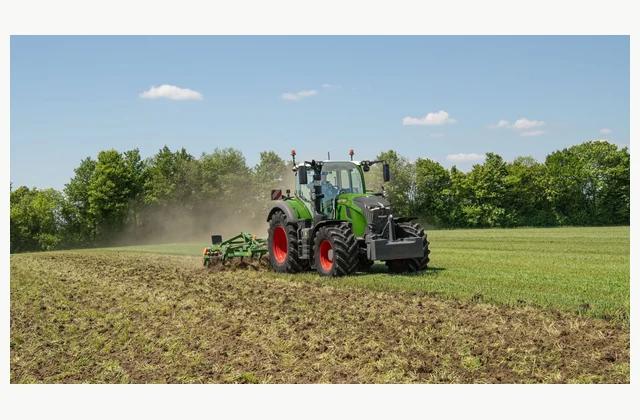
Shown as a configuration reference. Availability and the equipment offered for your project are confirmed separately.
Power and control farm implements using a wheeled tractor selected for tractive work, hydraulics, PTO demand and local support.
Select from the farm workload
A wheeled agricultural tractor is an implement platform, traction machine and transport vehicle. List the actual implements, seasonal hours and field operations before choosing a power class. Heavy tillage, PTO work, loader duties and road transport impose different requirements. Record soil, slopes, field access and travel distance. A tractor that suits one demanding implement may be unnecessarily heavy or poorly configured for another major part of the farm schedule.
Match PTO, linkage and hydraulic interfaces
Provide the PTO requirements, hitch category and hydraulic demand of each key implement. Include coupler types, simultaneous service use, control needs and return arrangements. Check lifting geometry and clearance throughout movement, not merely the published maximum lift value. Front-mounted or combined implements can introduce additional interface and axle-load constraints. Where implement electronics are involved, identify supported functions and versions rather than assuming every connector guarantees full functionality.
Evaluate traction and soil impact together
Tire choice, inflation guidance, ballast, wheel spacing and permissible loads affect how engine output becomes useful drawbar work. The appropriate setup changes with soil and implement demand. Discuss field and road conditions with the equipment specialist and retain the manufacturer’s operating limits. More mass is not automatically beneficial: unnecessary loading can affect soil and transport performance. Ask for a documented setup for the main operations instead of a single general-purpose ballast assumption.
| Buying checkpoint | Project information |
|---|---|
| Main farm operations | List implements, seasonal workload, soil and field travel conditions. |
| Hydraulic demand | Document flow, pressure, couplers and simultaneous service requirements. |
| PTO and linkage | Confirm shaft speeds, hitch category, lift geometry and implement clearance. |
| Traction and ballast | Match tires, wheel spacing, ballast and permissible axle loads. |
| Road and market rules | Check registration, lighting and destination-specific engine requirements. |
| Service readiness | Assess diagnostic access, consumables, training and nearby support. |
Check transmission and operating control
Transmission characteristics and controls influence low-speed work, headland routines and transport. Assess them with the intended implements and the operators who will use the tractor. Visibility, cab access, control familiarity and service access have practical consequences across long working days. Automation should be evaluated through the functions actually needed. If guidance, data exchange or subscriptions are proposed, separate the hardware, activation, correction service and continuing costs in the offer.
Confirm destination suitability and local support
Engine and road requirements depend on the destination and registration route. Obtain evidence for the exact tractor variant rather than transferring claims from another market’s brochure. Confirm tire and lighting arrangements, documentation language and available maintenance support. Discuss diagnostic access, parts identification and consumables with the local service plan. The Fendt 700 Vario reference photograph is an equipment example; it does not establish availability or approval of the same configuration in every country.
Use an implement-based demonstration
A useful demonstration checks starting, coupling, hydraulic functions, PTO behavior and field work with representative equipment. Include transport and maneuvering where relevant, using the responsible operator’s procedures. Record the setup, ballast and tires because these affect the result. Review daily service tasks and access to filters and inspection points. Ask for the delivered option list, training scope and the process for maintaining software or guidance functions over the tractor’s working life.
Define practical OEM/ODM requests
Potential requests include attachment interfaces, auxiliary hydraulic arrangements, labels or application-specific integration. Changes affecting steering, braking, structural loading, engine control or protective features need an appropriate engineering process and destination review. Provide the implement list and intended market with the inquiry. Any private-label or newly designed alternative should have its own documented configuration, parts support and acceptance plan; branding cannot substitute for a matched tractor-implement system.
What should your agricultural wheeled tractor RFQ include?
- Main farm operations: List implements, seasonal workload, soil and field travel conditions.
- Hydraulic demand: Document flow, pressure, couplers and simultaneous service requirements.
- PTO and linkage: Confirm shaft speeds, hitch category, lift geometry and implement clearance.
- Traction and ballast: Match tires, wheel spacing, ballast and permissible axle loads.
- Road and market rules: Check registration, lighting and destination-specific engine requirements.
- Service readiness: Assess diagnostic access, consumables, training and nearby support.
- Project location, destination requirements and intended operating environment
- Required drawings, connection information and site responsibility boundaries
- Representative acceptance case, documentation, training and spare-parts scope
- OEM/ODM: proposed branding, interface or design changes; engineering feasibility and evidence required
Need OEM / ODM customization?
Submit branding, packaging, configuration or engineering requirements for this equipment. Include the target market, initial and annual quantities, required changes and acceptance criteria.
Customization feasibility, permitted branding, development responsibilities, minimum quantity, cost and lead time are reviewed for the proposed supplier and configuration before a quotation is confirmed.
Frequently asked questions
How should buyers choose tractor power?
Start with the main implements and operations, including draft, PTO and hydraulic demands. Soil and traction conditions also matter. Compare a complete tractor setup rather than engine output alone, and verify lifting, axle-load and transport limits for the equipment the farm actually uses.
Does a matching hitch category ensure implement compatibility?
It is only one part of the interface. Check lifting geometry, clearances, implement mass, PTO arrangement and hydraulic connections as well. A compatible hitch designation does not show that the tractor can lift and operate a particular implement throughout the required movement.
What hydraulic information should an implement supplier provide?
Request required flow and pressure, number and type of couplers, return arrangements and functions operated simultaneously. Include electronic control needs where relevant. This allows the tractor’s hydraulic configuration to be checked against actual use rather than a headline pump-capacity figure.
Is extra ballast always useful for tillage?
Ballast should match the tractor, tires, implement and field conditions within the manufacturer’s limits. Unnecessary mass can affect soil and road operation. Request guidance for the principal work and keep the documented setup with the tractor so later changes can be reviewed.
Which market requirements need confirmation before importing?
Check engine requirements, road registration, lighting, permitted configurations and documentation for the destination. Obtain evidence for the exact variant being offered. A photograph or specification from another country’s model range does not prove that the same configuration can be registered locally.
Can a tractor be customized for special implements?
Application interfaces and auxiliary arrangements can be submitted for feasibility review. Changes to structural loads, controls or protective functions require engineering assessment and appropriate documentation. Provide implement drawings, expected loads and destination details so the OEM/ODM scope includes service and acceptance responsibilities.
Reference information
- Fendt tractors | The Fendt 700 Vario Gen7.1 at a glance 360-icondownloadleft-arrowleft-doublearrownav-dotpdf-iconrss-iconsearch-iconspot-iconsubnavi-iconclose-iconinfo-icon
- Fendt tractors | Our products at a glance 360-icondownloadleft-arrowleft-doublearrownav-dotpdf-iconrss-iconsearch-iconspot-iconsubnavi-iconclose-iconinfo-icon
Reference data and images explain equipment configurations. IndustryApex engineers confirm the offered model, specification and commercial scope in your project quotation.