
An abrasive waterjet cutting machine should be selected around the parts you intend to deliver, including material condition, internal corners, piercing behavior and accepted edge finish. Request a timed sample nest and an itemized system boundary covering the pump, cutting head, abrasive feed, water preparation and waste removal. Compare usable output and maintenance access alongside the purchase quotation. Include any OEM branding or ODM integration changes in the same requirement revision used for the trial.
Compare abrasive waterjet cutting machines using your actual materials, part drawings and edge requirements. Define the cutting table, pump, abrasive handling, water treatment and acceptance trial together, so a quoted machine can be evaluated as a complete production process.
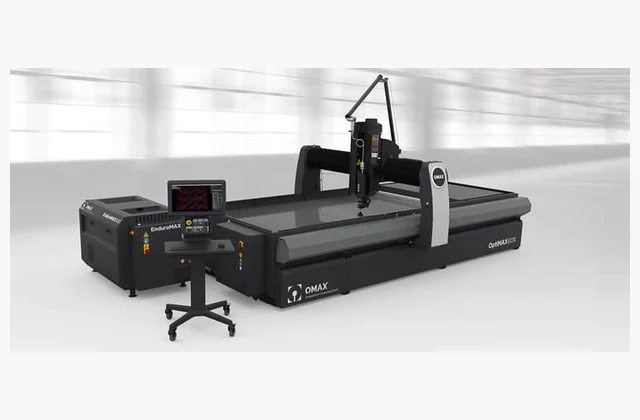
Shown as a configuration reference. Availability and the equipment offered for your project are confirmed separately.
Define the materials and finished edges before the machine size
Start with a representative group of production drawings rather than a list of materials the machine might cut. Identify the material grade, supplied condition, sheet thickness range, smallest internal feature and any edge that will be welded, sealed or used without further machining. State how the edge will be inspected. A general claim about positional accuracy does not establish the finished-part result for every material and cutting strategy.
Abrasive waterjet and pure-water cutting serve different jobs. Ask which process the supplier proposes for each sample and why. Flag laminated, coated or brittle stock before a trial, because piercing and work support can determine whether the blank survives intact. Request an explanation of any lead-in position that affects usable material or a cosmetic face.
Compare the table, head and pump as one cutting system
Describe the largest blank, typical nest and method of loading stock onto the table. The quotation should distinguish nominal machine travel from the area usable with the proposed head, fixtures and collision clearances. Discuss whether parts need straight edges, bevels or other head movement, and identify what must remain supported when the final contour separates.
Review the proposed pump together with its cooling, power connection and maintenance access. Ask the bidder to state the water conditions required at the pump inlet and which treatment equipment is included. Obtain an accessible layout showing the pump, controller, abrasive supply and cutting tank. Catalog pressure or motor size alone is an incomplete basis for comparing a production installation.
| Decision | Information to compare | Evidence to request |
|---|---|---|
| Cut part | Material, geometry and accepted edge | Inspected parts from the agreed sample nest |
| Process utilities | Inlet water, power and cooling boundaries | Supplier utility schedule and site layout |
| Consumables and waste | Abrasive, nozzle components and tank solids | Itemized consumption method and removal procedure |
| Changed configuration | Head, software or OEM/ODM integration | Revised drawings and repeat acceptance plan |
Plan abrasive supply, tank cleanout and wastewater handling
Specify how abrasive arrives at the machine, how operators refill it and how spent material leaves the tank. Ask whether removal is a manual maintenance task or part of the proposed system. Define the access needed for bags, drums or lifting equipment, and confirm that waste handling does not obstruct the normal stock-loading route.
The composition of the cut material affects the waste stream. Have the operating site determine applicable disposal and discharge requirements, then ask the equipment supplier to define its treatment boundary. Request inspection points for leaks, blocked feed lines and worn cutting components. Include routine checks in the operator handover instead of assuming that an accessory list describes a complete maintenance procedure.
Use a sample nest to compare useful output and rework
Provide identical stock and drawing revisions to each bidder. Include a difficult internal feature, an edge requiring inspection and the normal arrangement of parts on a sheet. Ask for an unedited record showing loading, setup, piercing, cutting, separation and unloading. Keep programming time and operator intervention visible rather than reporting only the time while the jet is on.
Inspect the same defined features on the supplied parts and retain the measurement method with the result. Record taper, edge condition, corner form and any additional finishing needed for the intended application. If the proposal changes the head, abrasive or process recipe after the demonstration, ask which acceptance checks must be repeated. Agree responsibilities for a failed sample before approving an order.
Price the installation and the maintenance route
Request separate lines for the machine, pump package, software rights, water treatment, abrasive equipment, extraction or enclosure where applicable, delivery, rigging and commissioning. Identify whether training includes preparing a new drawing, selecting a cutting strategy and recovering from a normal interruption. A machine demonstration is different from training the receiving operator to reproduce the process.
Ask for replacement identifiers and a service route for the exact proposed configuration. Discuss the skills needed to work on high-pressure components and who performs those tasks locally. Compare supplier quotations using the same delivery boundary and accepted production requirement. Do not turn a claimed cutting speed or advertised pump feature into an assumed cost per part without a matching job trial.
Separate OEM branding from ODM process integration
OEM requests may cover a private label, document language, paint, packaging or a defined accessory bundle. ODM work can change the table layout, loading interface, cutting head arrangement, enclosure or communication with another process. List each requested change separately, including who owns drawings and software interfaces and who validates the revised installation.
Submit the intended destination, site utilities and acceptance drawings with the inquiry. Request a requirement-to-offer response identifying included equipment, exclusions and unresolved engineering decisions. The manufacturer images and documents linked here are identifiable configuration references. They do not establish that the pictured brand permits relabeling or that IndustryApex is its authorized distributor. Feasibility and commercial terms require confirmation for the specific project.
What should your abrasive waterjet cutting machine RFQ include?
- Material grades, condition, coatings and thickness range
- Representative CAD drawings and smallest required internal features
- Largest stock dimensions, normal nest and loading method
- Edge finish, taper and dimensional acceptance method
- Required straight or bevel cutting and head-access limitations
- Pump inlet water analysis, electrical supply and cooling provisions
- Abrasive delivery, replenishment and spent-material removal scope
- Wastewater/disposal boundary, site layout and service access
- Timed sample nest, measurement records and operator training scope
- OEM branding or ODM table/control integration changes, ownership and validation
Need OEM / ODM customization?
Submit branding, packaging, configuration or engineering requirements for this equipment. Include the target market, initial and annual quantities, required changes and acceptance criteria.
Customization feasibility, permitted branding, development responsibilities, minimum quantity, cost and lead time are reviewed for the proposed supplier and configuration before a quotation is confirmed.
Frequently asked questions
What should I specify before requesting an abrasive waterjet quote?
Provide material grades and condition, thickness range, representative drawings, blank dimensions and the edge features you will inspect. Add the normal production mix, loading method, available utilities and destination. This lets bidders propose comparable process scope and identify sample tests before choosing a table or pump.
Is pump pressure enough to compare two waterjet machines?
No. Compare the proposed cutting head, pump configuration, usable cutting area, software strategy and demonstrated part result together. Ask each supplier to explain its utility assumptions and maintenance access. Use identical material and acceptance criteria for the trial instead of treating one catalog rating as finished-part performance.
Can an abrasive waterjet cut brittle or laminated materials?
Some applications may be suitable, but the actual stock needs a piercing and cutting trial. Tell the supplier about coatings, internal layers and cosmetic faces. Require intact sample parts with the agreed edge inspection, and record any special piercing, support or lead-in method used to obtain them.
Does a waterjet quote normally include abrasive removal?
It depends on the offered system boundary. Ask whether the quotation includes abrasive delivery, replenishment and spent-material removal or leaves those as site tasks. Request the cleanout procedure, handling access and waste interfaces, then assign responsibility for disposal and any required wastewater treatment before ordering.
How should I compare waterjet operating costs?
Compare an agreed sample nest, including setup, loading, cutting, unloading and any rework. Ask how abrasive use, wear components, water preparation, power and waste handling were calculated. Keep assumptions visible and avoid applying another material or edge-quality setting to your own expected production without evidence.
Can I request OEM branding or an ODM waterjet layout?
You can submit those requirements for feasibility review. Separate labels, document language and packaging from changes to the table, loading system, head or controls. Require a revised scope, drawings and acceptance plan for engineering changes. A reference manufacturer image does not imply permission to relabel that brand.
Reference information
- OMAX OptiMAX 60X official product reference
- OMAX: Learn about waterjets
Reference data and images explain equipment configurations. IndustryApex engineers confirm the offered model, specification and commercial scope in your project quotation.