
An extrusion blow molding machine for HDPE bottles must match the bottle geometry, neck finish and wall-distribution requirements to the part. Define parison control, mold dimensions, cooling and trimming scope before quoting. Test actual bottle function and wall consistency over a production run with approved resin.
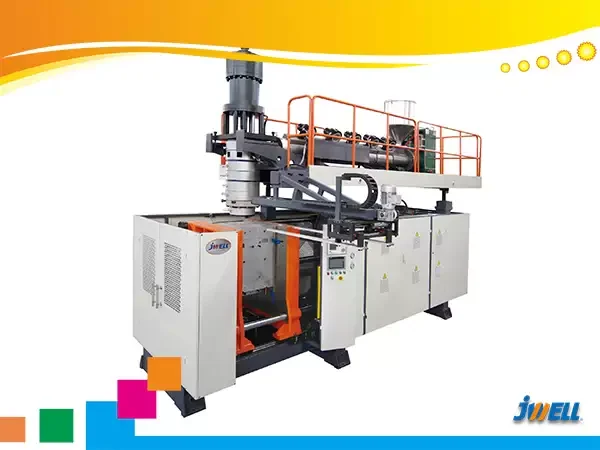
Shown as a configuration reference. Availability and the equipment offered for your project are confirmed separately.
Define bottle geometry and process scope first
An extrusion blow molding machine for HDPE bottles should be selected for the exact bottle geometry, volume, neck finish and wall-distribution requirements. Extrusion blow molding uses a continuously extruded parison that is captured in a mold and inflated, making it suitable for bottles with handles, asymmetric shapes and large openings. Provide CAD files, target bottle mass, resin grade, any recycled content and the required neck finish. Record functional tests such as top-load, drop or leak resistance that the finished bottle must pass. A machine advertised for a nominal volume range may not handle every bottle shape or neck geometry within that range.
Match mold fit and parison control to bottle walls
Request mold dimensions, cavity count, clamp force and cooling arrangement from both the machine supplier and the tool designer. For HDPE bottles with handles, corners or asymmetric walls, define the parison programming and any multilayer structure as reviewed process scope. Some extrusion blow molding machines use an accumulating die head, which stores molten resin and releases it quickly to form the parison [S1]. Wall thickness in reinforced areas, handles and the neck should be verified on sample bottles rather than inferred from average part weight. Ask the supplier to confirm that the proposed machine can accommodate the mold size and mass for your bottle design. Record the range of bottle volumes and neck finishes the machine can handle with the agreed tooling.
Coordinate compressed air, cooling and trimming
Establish compressed-air quality, pressure and consumption at the inflation step, along with cooling-water temperature, flow and heat-removal capacity. Include the trimming station, flash collection, leak or crush testing and bottle discharge in the cell layout. Reserve access for mold changes and handling finished bottles. Define the control sequence so a stopped trimmer or tester does not create uncontrolled bottle accumulation. State electrical supply and any fume extraction requirements for the HDPE resin and process additives. A standalone machine outline does not establish the complete floor space or utilities for a bottle-production cell.
Compare complete cell cost and accepted bottle output
Include the machine, molds, air and cooling systems, trimming equipment, testing fixtures and controls in each quotation. Ask whether new neck finishes, bottle sizes or handle designs require additional tooling, blow pins or transfer fixtures. Budget commissioning resin, rejected bottles, operator training and replacement wear components. Compare cost per accepted bottle using the agreed material mass, wall-distribution checks and functional tests, and make scrap-recovery assumptions explicit. Include local technical support and mold maintenance. A higher nominal cycle rate offers little value if wall-distribution defects or trimming rejects rise, so machine price and rated output should remain only part of the commercial comparison.
Test bottle function over a production run
Acceptance should use approved HDPE resin and tooling and verify bottle mass, dimensions, wall distribution and the agreed functional checks. Leak, top-load, drop or other tests should be defined for the intended bottle application rather than claimed universally. Record sustained accepted bottle output, trimming quality, flash handling and any neck-finish defects over a representative run. Include startup, restart and an important bottle-format change. Inspect the neck, handles and hard-to-fill geometry as well as the broad sidewalls. Retain sample bottles with process settings, resin identifiers and test results. A successful mold opening or visually acceptable bottle does not establish performance of a new handle design or asymmetric bottle shape.
Structure custom bottle and tooling changes
Send CAD files, resin specifications, bottle functional tests and production targets with the RFQ. OEM requirements can cover branding, label areas, documentation language and supported user interfaces. ODM work may include bottle development, custom molds, parison programming, wall-distribution optimization and trimming integration, with design milestones and sample-approval stages. Agree on ownership of the molds and process recipes, and define who approves changes to resin grade, color or recycled content. IndustryApex engineers work directly with customers to assess bottle applications, configure equipment and develop a project-specific supply proposal. Discuss yourHDPE bottle production requirements and request a complete equipment solution.
Buyer input worksheet
| Input category | Required information | Evidence to request |
|---|---|---|
| Bottle design | CAD files, volume, target mass, neck finish, handle or asymmetric features | Mold feasibility review, parison programming scope, wall-distribution plan |
| Material | HDPE grade, color, recycled content, any multilayer structure | Approved resin list, parison layer control, trial material requirements |
| Mold and tooling | Cavity count, mold dimensions and mass, cooling requirements | Clamp-force confirmation, mold drawings, change-part list, cooling-time estimate |
| Functional tests | Leak, top-load, drop or other bottle acceptance criteria | Test fixtures, acceptance sampling plan, wall-thickness measurement method |
| Production output | Accepted bottles per shift, startup and format-change frequency | Sustained output records, trimming yield, flash handling, commissioning duration |
| Cell integration | Compressed air, cooling water, trimming, testing, discharge and controls | Air quality and consumption, cooling capacity, control sequence, floor layout, utility assignments |
| Customization | OEM branding, label areas, documentation. ODM bottle design, mold development, parison optimization | Tool and recipe ownership, design milestones, sample approval, resin-change approval process |
Rejection conditions and alternatives
Reject a machine quotation if the supplier cannot confirm mold-size compatibility, parison control for your bottle geometry, or the agreed wall-distribution requirements. Reject if compressed-air, cooling or trimming scope is undefined, or if the trial does not include your resin grade and functional tests. If extrusion blow molding cannot meet neck-finish precision or barrier requirements, consider injection stretch blow molding with preforms as an alternative process. If bottle volume or geometry exceeds the proposed machine’s mold space or clamp force, request a larger machine model or reduce cavity count. If wall-distribution defects persist, review parison programming with the tool designer and request sample bottles from a qualified trial before finalizing the equipment order.
Define your equipment requirements
Review the Plastic blow molding machine buying guide for the complete equipment scope.
Discuss this equipment project ↗ · OEM requirements · ODM requirements. Configuration and feasibility are reviewed for your application.
Explore the Plastic blow molding machine buying guide and RFQ checklist ↗
Frequently asked questions
How do I match an extrusion blow molding machine to my HDPE bottle design?
Provide CAD files, bottle volume, target mass, neck finish, handle or asymmetric features, HDPE grade and recycled content. Request mold feasibility, parison programming scope, clamp-force confirmation and wall-distribution plan. Verify that the machine can accommodate your mold dimensions and cavity count.
What is parison control and why does it matter for bottles?
Parison control adjusts the wall thickness of the extruded tube before inflation to ensure uniform distribution in the finished bottle. Bottles with handles, corners or asymmetric shapes need defined parison programming. Request the control method, any multilayer capability and sample bottles showing wall consistency in critical areas.
Which auxiliary systems must I include with the blow molding machine?
Include compressed air for inflation, cooling water for molds, trimming equipment for flash removal, leak or crush testers and bottle discharge systems. Coordinate control sequences, reserve mold-changing access and assign utility responsibilities. Request air consumption, cooling capacity and floor-layout drawings for the complete cell.
How should I compare extrusion blow molding costs for HDPE bottles?
Compare machine, molds, air and cooling systems, trimming equipment, testers and controls together. Model resin mass and accepted yield using your functional tests and sustained output including startup and format changes. Include commissioning material, operator training, local mold maintenance and replacement wear components.
What bottle tests belong in machine acceptance?
Define mass, dimensions, wall distribution and relevant leak, top-load or drop tests before acceptance. Run approved HDPE resin and tooling, recording good bottle output, trimming quality and any neck or handle defects over a representative production run. Retain samples with process settings and test results.
Can I develop custom HDPE bottle designs with the machine supplier?
ODM requests can include bottle design, custom molds, parison optimization and trimming integration, with design milestones and sample approval. OEM branding and label areas are specified separately. Agree on mold and recipe ownership and define the resin-change approval process before starting development.
Reference information
- 100ltr Blow Molding Machine for Open-top Barrels, China 100ltr Blow Molding Machine for Open-top Barrels Manufacturers, Suppliers, Factory - JWELL Machinery Co.,Ltd
Reference data and images explain equipment configurations. IndustryApex engineers confirm the offered model, specification and commercial scope in your project quotation.