
Choose a crawler loader from bucket loading, ground support and travel requirements. Match bucket geometry, breakout and stability with the intended material and receiving equipment, keeping a tracked bucket-loader duty distinct from blade dozing or long-distance haulage. Run representative digging, carrying and dumping cycles with the intended material and receiving height. Measure usable bucket loads, cycle delays and required ground performance using agreed methods. Inspect controls, visibility and service access, retaining bucket, track and machine variant details with the results. Submit the intended configuration and any OEM/ODM changes for project-specific feasibility review.
Choose a crawler loader from bucket loading, ground support and travel requirements. Match bucket geometry, breakout and stability with the intended material and receiving equipment, keeping a tracked bucket-loader duty distinct from blade dozing or long-distance haulage.
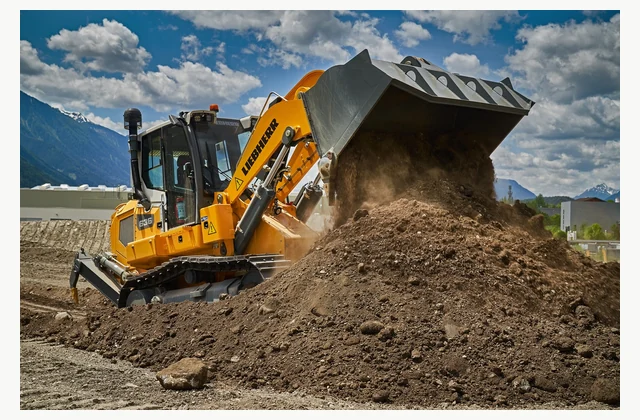
Shown as a configuration reference. Availability and the equipment offered for your project are confirmed separately.
Define the actual loading cycle
Provide material properties, digging conditions, carry distance and the receiving truck or hopper. Count loading, reversing, travel and dumping as one cycle. A high breakout-force figure cannot establish useful output if the route or receiving arrangement limits how efficiently the machine handles each bucket.
Match bucket to material and discharge
Specify density, lump size, abrasiveness and required dumping height and reach. Compare bucket volume with usable payload and stability for the offered configuration. A general-purpose bucket and a specialist attachment can have very different filling and discharge behavior, even on the same carrier.
Assess tracks and ground conditions
Describe soft areas, slopes, sharp rock and travel frequency. Undercarriage and track-shoe selection influence traction, surface impact and service needs. Tracked mobility is useful in particular conditions but does not remove the need for a qualified assessment of support, slope and safe operating limits.
Review work-tool interfaces
Identify quick coupling, auxiliary hydraulics and any tools beyond the base bucket. Confirm permitted combinations and operator visibility. A photograph of a specialist waste or forestry arrangement does not establish that guards, coupler or hydraulic options are included in a standard machine offer.
Plan access traffic and transport
Provide working clearances, loading-area traffic and mobilization route. Include attachment dimensions and the loading method for the transport vehicle. The site's operating plan should address blind areas and interactions with people rather than assume a camera or articulated bucket motion eliminates those risks.
Inspect loader joints and undercarriage
Obtain inspection and service information for bucket linkage, cylinders, tracks and drive. Used machines need individual wear and history checks. Itemize wear edges, track parts and hydraulic service support so the maintenance comparison reflects the actual loading duty and destination rather than a generic machine age.
Compare a complete crawler loader scope
| Decision | Information to compare |
|---|---|
| Define the actual loading cycle | Material, digging face, carry distance and complete loading cycle |
| Match bucket to material and discharge | Bucket type/volume, material density, payload and dump height/reach |
| Assess tracks and ground conditions | Ground bearing, slopes, rock, travel frequency and track-shoe selection |
| Review work-tool interfaces | Coupler, auxiliary hydraulics, work tools, guards and included options |
| Plan access traffic and transport | Site clearances, traffic, visibility and transport envelope |
| Inspect loader joints and undercarriage | Bucket joints/edges, hydraulics, track wear, history and service support |
Plan installation and access
Qualified personnel should inspect the delivered loader, fit the approved bucket or tools and commission on suitable ground. Establish loading and traffic zones and confirm the operator's training in the maker's procedures. Provide a safely isolated maintenance position and the required supports for raised equipment.
Agree acceptance evidence before ordering
Run representative digging, carrying and dumping cycles with the intended material and receiving height. Measure usable bucket loads, cycle delays and required ground performance using agreed methods. Inspect controls, visibility and service access, retaining bucket, track and machine variant details with the results.
Define OEM/ODM engineering boundaries
OEM buckets, guards and approved interfaces can be reviewed. ODM structure, track or hydraulic changes require engineering and field trials. Reference images identify an existing crawler-loader family without establishing stock, agency or equivalent loading performance for a modified machine.
What should your crawler loader RFQ include?
- Material, digging face, carry distance and complete loading cycle
- Bucket type/volume, material density, payload and dump height/reach
- Ground bearing, slopes, rock, travel frequency and track-shoe selection
- Coupler, auxiliary hydraulics, work tools, guards and included options
- Site clearances, traffic, visibility and transport envelope
- Bucket joints/edges, hydraulics, track wear, history and service support
- Destination, working environment, access and delivery constraints
- Installation responsibility, utilities and connection drawings
- Acceptance samples, documented test method, operator training and maintenance scope
- OEM/ODM changes requested: identification, tooling, interfaces or new design; engineering feasibility to be confirmed
Need OEM / ODM customization?
Submit branding, packaging, configuration or engineering requirements for this equipment. Include the target market, initial and annual quantities, required changes and acceptance criteria.
Customization feasibility, permitted branding, development responsibilities, minimum quantity, cost and lead time are reviewed for the proposed supplier and configuration before a quotation is confirmed.
Frequently asked questions
How do I define the actual loading cycle?
Provide material properties, digging conditions, carry distance and the receiving truck or hopper. Count loading, reversing, travel and dumping as one cycle. A high breakout-force figure cannot establish useful output if the route or receiving arrangement limits how efficiently the machine handles each bucket.
How do I match bucket to material and discharge?
Specify density, lump size, abrasiveness and required dumping height and reach. Compare bucket volume with usable payload and stability for the offered configuration. A general-purpose bucket and a specialist attachment can have very different filling and discharge behavior, even on the same carrier.
How do I assess tracks and ground conditions?
Describe soft areas, slopes, sharp rock and travel frequency. Undercarriage and track-shoe selection influence traction, surface impact and service needs. Tracked mobility is useful in particular conditions but does not remove the need for a qualified assessment of support, slope and safe operating limits.
How do I review work-tool interfaces?
Identify quick coupling, auxiliary hydraulics and any tools beyond the base bucket. Confirm permitted combinations and operator visibility. A photograph of a specialist waste or forestry arrangement does not establish that guards, coupler or hydraulic options are included in a standard machine offer.
How do I plan access traffic and transport?
Provide working clearances, loading-area traffic and mobilization route. Include attachment dimensions and the loading method for the transport vehicle. The site's operating plan should address blind areas and interactions with people rather than assume a camera or articulated bucket motion eliminates those risks.
How do I inspect loader joints and undercarriage?
Obtain inspection and service information for bucket linkage, cylinders, tracks and drive. Used machines need individual wear and history checks. Itemize wear edges, track parts and hydraulic service support so the maintenance comparison reflects the actual loading duty and destination rather than a generic machine age.
Reference information
- Liebherr LR 636 Litronic official product reference
- Liebherr crawler loader official family or technical reference
Reference data and images explain equipment configurations. IndustryApex engineers confirm the offered model, specification and commercial scope in your project quotation.